




$50K Offered for Information on Suspects in Fatal Winnetka Pedestrian Hit-and-Run Crash
Authorities are offering a $50,000 reward for information leading to suspects involved in a fatal incident where a pedestrian was struck by two drivers in Winnetka, according to KTLA News. The devastating nature of this Winnetka pedestrian hit-and-run crash highlights the serious risks pedestrians face and the challenges families encounter when drivers flee the scene. Law enforcement continues to investigate while seeking public assistance to identify those responsible. Incidents like this often leave families dealing with sudden loss, unanswered questions, and the difficult process of pursuing accountability.
When a Winnetka pedestrian hit-and-run crash results in fatal injuries, families must navigate complex legal and financial challenges during an already overwhelming time. These cases often involve ongoing investigations, insurance complications, and uncertainty about how to recover damages when the at-fault parties are not immediately identified. At Azizi Law, we understand how difficult these situations can be, and we work closely with families to protect their rights and pursue every available path to compensation. If your family has been affected by a tragic hit-and-run incident, call us at (213) 673-1466 today to discuss your options and take the next step forward.
Why Legal Representation Matters After a Winnetka Pedestrian Hit-and-Run Crash
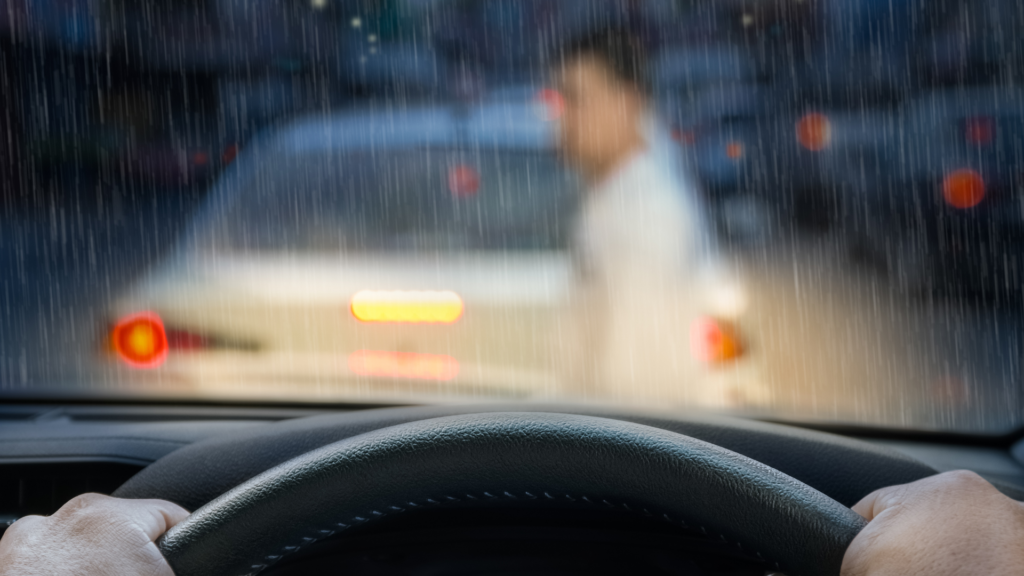
At Azizi Law, we understand how a Winnetka pedestrian hit-and-run crash can create complex legal challenges, especially when multiple drivers may be involved and key details remain under investigation. We take immediate action to gather evidence, work with investigators, and identify all potential sources of liability, including drivers and any applicable insurance coverage. Our team focuses on building a strong case that reflects the full impact of the loss while protecting your family’s rights at every stage. With our support, you can focus on your family while we handle the legal process with care and diligence.
We also advocate on your behalf while addressing challenges such as delayed investigations, disputed liability, and insurance company tactics that may limit compensation. Our team evaluates both financial losses and the long-term emotional impact to ensure your claim reflects the full scope of your situation. We maintain clear communication so you always understand your options and next steps. When you work with us, you gain a dedicated legal partner committed to helping you move forward with confidence.
Common Injuries in a Winnetka Pedestrian Hit-and-Run Crash
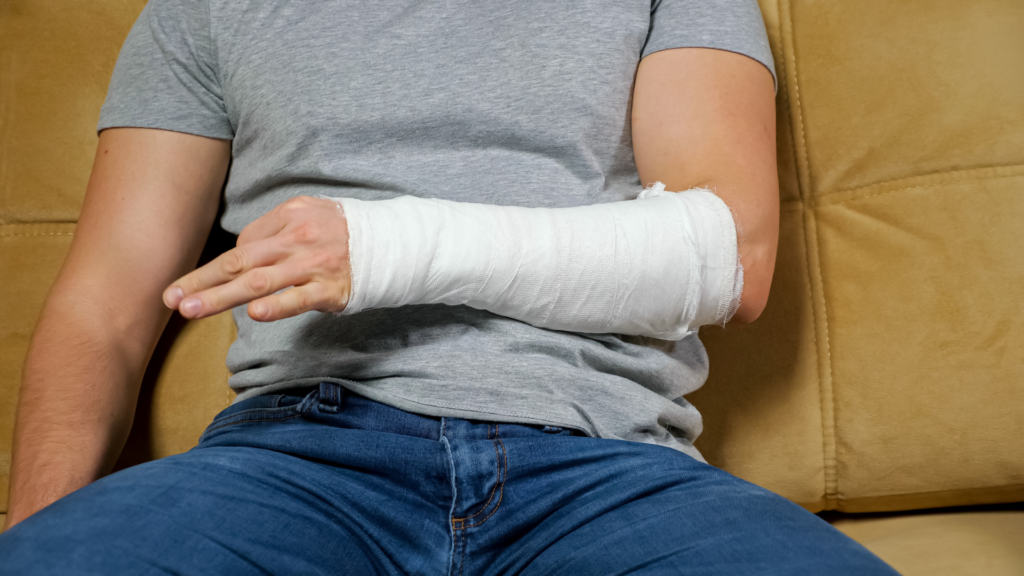
A Winnetka pedestrian hit-and-run crash often results in severe injuries due to the direct impact between a vehicle and an unprotected individual. These incidents can cause both immediate trauma and long-term medical complications that affect nearly every aspect of a victim’s life. The force of impact, combined with the possibility of multiple vehicles or delayed medical response, can increase the severity of injuries. Understanding the types of injuries involved helps highlight the importance of both medical care and legal action.
In addition, many injuries may not appear right away and can worsen without proper diagnosis and treatment. Victims and families should take every symptom seriously and seek thorough medical evaluation as soon as possible. Proper documentation of injuries also plays a critical role in building a strong legal claim. A comprehensive understanding of injuries supports both recovery and compensation.
Immediate and Traumatic Injuries
Pedestrians often suffer significant trauma at the moment of impact, especially when struck at higher speeds or in multi-vehicle incidents. These injuries may require emergency medical attention and ongoing treatment. Immediate care helps stabilize the victim and prevent further complications. Early response remains critical.
Head and Brain Injuries
Head injuries, including concussions and traumatic brain injuries, are among the most serious outcomes of a Winnetka pedestrian hit-and-run crash. These injuries can affect memory, coordination, and overall cognitive function, sometimes permanently. Symptoms may not always appear immediately, which makes early medical evaluation essential. Proper diagnosis supports better recovery outcomes.
Spinal Cord and Back Injuries
Spinal injuries can lead to chronic pain, limited mobility, or even paralysis depending on the severity of the damage. These injuries often require long-term care, rehabilitation, and lifestyle adjustments. Early treatment and consistent care are essential for managing these conditions. Documentation of these injuries strengthens compensation claims.
Broken Bones and Fractures
Fractures commonly affect the legs, arms, ribs, and pelvis due to the force of impact. These injuries may require surgery, immobilization, and extended recovery periods. In many cases, fractures can limit a person’s ability to work or perform daily activities. Proper treatment and documentation support both recovery and legal claims.
Internal and Soft Tissue Injuries
Not all injuries are immediately visible after a Winnetka pedestrian hit-and-run crash, which makes medical evaluation essential even if symptoms appear minor. Internal injuries can develop over time and may become life-threatening without proper care. Early detection helps prevent serious complications. A cautious approach supports better outcomes.
Internal Bleeding and Organ Damage
Internal bleeding and organ injuries may not show immediate symptoms but can worsen rapidly if untreated. These conditions often require emergency medical intervention and ongoing monitoring. Prompt diagnosis plays a critical role in preventing severe complications. Medical documentation becomes essential in these cases.
Muscle, Ligament, and Soft Tissue Damage
Soft tissue injuries, including sprains and strains, can cause persistent pain and limited mobility. These injuries often require physical therapy and extended recovery periods. While they may seem less severe initially, they can significantly impact daily life over time. Proper treatment supports long-term recovery.
Long-Term and Lasting Effects
A Winnetka pedestrian hit-and-run crash can lead to long-term consequences that extend beyond physical injuries. These effects may influence emotional well-being, financial stability, and overall quality of life. Understanding these impacts helps ensure that claims reflect the full scope of damages. A comprehensive approach remains essential.
Chronic Pain and Physical Limitations
Victims may experience ongoing pain or reduced mobility that affects their ability to work or perform everyday activities. These conditions often require continued treatment and support. Chronic issues can significantly impact long-term quality of life. Documenting these effects strengthens claims.
Emotional and Psychological Impact
Pedestrian accidents can lead to anxiety, trauma, and emotional distress, especially in hit-and-run cases where the driver is not immediately identified. These effects may interfere with daily routines and relationships. Addressing emotional health remains an important part of recovery. Including these damages ensures a more complete claim.
How Liability Is Determined in a Winnetka Pedestrian Hit-and-Run Crash
Determining liability in a Winnetka pedestrian hit-and-run crash can be complex, particularly when one or more drivers leave the scene. Investigators must rely on evidence, witness accounts, and available data to establish fault and identify responsible parties. This process often involves multiple steps and careful analysis. A thorough investigation remains essential for building a strong case.
In addition, liability may not always fall on a single party, especially in incidents involving multiple vehicles or contributing factors. Understanding how liability is determined helps victims and families navigate the legal process more effectively. A detailed evaluation supports stronger claims and better outcomes.
Investigating the Crash
Law enforcement and legal teams work together to investigate the crash and identify the responsible driver or drivers. This process involves collecting evidence, reviewing reports, and analyzing the sequence of events. A strong investigation forms the foundation of any claim. Early action helps preserve key details.
Reviewing Police Reports and Scene Evidence
Police reports provide an official record of the incident, including officer observations, witness statements, and initial findings. Attorneys review this information to identify inconsistencies or additional leads. Physical evidence from the scene also helps establish how the crash occurred. Accurate analysis strengthens the case.
Gathering Surveillance Footage and Witness Testimony
Surveillance cameras from nearby businesses or traffic systems may capture important details about the vehicle or driver involved. Witnesses can also provide valuable insight into what happened before and after the crash. Collecting this information early increases its reliability. Strong evidence supports liability claims.
Identifying Responsible Parties
Even in a hit-and-run case, liability may extend beyond a single unidentified driver. Multiple parties may share responsibility depending on the circumstances of the crash. Identifying all liable parties helps ensure full compensation. A comprehensive approach improves outcomes.
Multiple Drivers and Shared Fault
In some Winnetka pedestrian hit-and-run crash cases, more than one vehicle may be involved in the incident. Determining how each driver contributed to the crash becomes critical. Liability may be shared based on each party’s actions. Careful evaluation ensures fair fault allocation.
Third-Party Liability Factors
External factors such as poor road conditions, inadequate signage, or vehicle defects may also contribute to the crash. Government entities, contractors, or manufacturers may share responsibility in certain cases. Identifying these factors expands potential sources of compensation. A thorough investigation strengthens the claim.
Overcoming Hit-and-Run Challenges
Hit-and-run cases present unique challenges due to the absence of the at-fault driver and limited initial information. Addressing these challenges requires persistence and strategic action. Understanding these obstacles helps prepare for the process. A proactive approach improves outcomes.
Dealing With Unidentified Drivers
When the driver is not immediately identified, investigators rely on available evidence and public assistance to locate the suspect. This process may take time and requires ongoing effort. Victims must often pursue alternative compensation options during this period. Strong legal guidance helps manage this situation.
Using Insurance and Legal Strategies
Even without identifying the driver, victims may still recover compensation through uninsured motorist coverage or other legal avenues. Attorneys evaluate all available options to build a strong claim. Strategic planning helps overcome limitations. A well-prepared case supports recovery.

How Police Investigate a Winnetka Pedestrian Hit-and-Run Crash
Investigating a Winnetka pedestrian hit-and-run crash requires a detailed, multi-layered approach that combines immediate response with long-term investigative work. These cases often begin with very limited information, especially when the driver flees the scene without leaving identifying details behind. Law enforcement must act quickly to preserve evidence while also building a case that can withstand legal scrutiny. A strong investigation not only increases the chances of identifying the suspect but also plays a critical role in supporting any civil or criminal proceedings that follow.
In addition, hit-and-run investigations often evolve over time as new evidence emerges and leads develop. Officers may revisit the scene, re-interview witnesses, and analyze new data as it becomes available. This ongoing process requires coordination between patrol officers, detectives, forensic teams, and sometimes outside agencies. Understanding how this process unfolds helps victims and families remain informed and better prepared as the case progresses. A thorough and persistent investigation significantly improves the likelihood of achieving accountability.
Securing the Scene and Collecting Initial Evidence
Police begin their investigation by securing the crash scene and collecting as much evidence as possible before conditions change due to traffic, weather, or cleanup efforts. This early stage is critical because physical evidence can disappear quickly if not properly documented and preserved. Officers work to control the area, protect evidence, and begin building a timeline of events. Immediate action lays the foundation for the entire investigation.
In many cases, the quality of evidence collected during this initial phase directly impacts the strength of the case. Even small details can later become key pieces of information that help identify the suspect vehicle. Careful documentation ensures that investigators can revisit and analyze the scene accurately. A structured approach strengthens both the investigation and any resulting legal claims.
Documenting the Crash Scene
Officers take detailed photographs, measurements, and written notes to capture every aspect of the scene, including vehicle debris, skid marks, traffic signals, lighting conditions, and the position of the victim. This documentation helps recreate the crash and provides a visual and factual record for investigators, attorneys, and potentially a jury. Accurate scene documentation becomes one of the most important elements in understanding how the incident occurred.
Additionally, officers may use advanced tools such as 3D scanning or mapping technology to create a precise reconstruction of the scene. These methods allow investigators to analyze the crash from multiple perspectives long after the scene has been cleared. Thorough documentation ensures that no detail is overlooked. A comprehensive record improves accuracy and reliability.
Collecting Physical Evidence
Physical evidence such as broken headlights, mirrors, paint fragments, and tire marks can provide critical clues about the vehicle involved in the Winnetka pedestrian hit-and-run crash. Investigators carefully collect, label, and preserve these items to prevent contamination or loss. Each piece of evidence may help narrow down the type of vehicle or confirm other findings.
In addition, forensic analysis of these materials can reveal specific details such as manufacturer information, color codes, or impact patterns. These findings may later be matched to a suspect vehicle. Proper evidence handling ensures that results remain admissible in court. Careful collection strengthens the overall case.
Identifying the Suspect Vehicle and Driver
After securing initial evidence, law enforcement shifts focus toward identifying the vehicle and driver involved in the crash. This process often requires combining multiple sources of information to build a clearer picture. Each piece of data helps narrow down potential suspects and refine the investigation. A systematic and detailed approach improves results.
In many cases, identifying the driver may take time, especially when the vehicle is not immediately located. Investigators must follow leads, verify information, and eliminate false matches. Persistence remains essential throughout this stage. A thorough process increases the likelihood of success.
Reviewing Surveillance and Traffic Camera Footage
Police actively search for surveillance footage from nearby businesses, residential properties, and traffic cameras that may have captured the crash or the vehicle leaving the scene. This footage can provide valuable details such as vehicle make, model, damage, direction of travel, and sometimes license plate numbers. Reviewing footage quickly remains important because many systems overwrite data within days.
In addition, investigators may expand their search radius to track the vehicle’s movement before and after the crash. This can help establish a timeline and identify potential routes taken by the suspect. Coordinated video analysis strengthens the investigation. Visual evidence often becomes a key factor in identification.
Interviewing Witnesses
Witnesses can provide critical firsthand accounts that help fill in gaps left by physical evidence. Officers gather statements from individuals who saw the crash, heard the impact, or observed the suspect vehicle leaving the scene. These accounts may include descriptions of the vehicle, driver behavior, or other important details.
Furthermore, investigators may conduct follow-up interviews to clarify inconsistencies or gather additional information as new evidence emerges. Witness credibility and consistency play a key role in building a strong case. Early and thorough interviews improve accuracy. Reliable testimony strengthens the investigation.
Using Forensic and Technical Analysis
Forensic and technical analysis allows investigators to examine evidence in greater detail and reconstruct how the crash occurred. These methods provide scientific support for the case and help confirm or challenge initial findings. Advanced analysis often becomes essential when direct evidence is limited. This process adds depth and credibility to the investigation.
In addition, forensic tools can connect seemingly unrelated pieces of evidence to build a cohesive narrative. This level of analysis helps identify patterns and establish cause-and-effect relationships. A detailed approach improves both accuracy and effectiveness. Strong technical evidence supports legal proceedings.
Analyzing Vehicle Debris
Experts analyze debris collected from the scene to determine characteristics of the suspect vehicle, such as make, model, and year range. Even small fragments can provide valuable information when examined closely. This analysis helps narrow down potential matches and guide the investigation.
Moreover, comparing debris with known vehicle databases can quickly eliminate unrelated possibilities. This targeted approach saves time and improves efficiency. Accurate analysis supports identification efforts. Strong forensic evidence strengthens the case.
Reconstructing the Accident
Accident reconstruction experts use evidence from the scene to recreate the sequence of events leading up to the crash. This process may involve analyzing speed, direction, impact points, and environmental conditions. Reconstruction helps investigators understand how the crash occurred and who may be at fault.
Additionally, reconstruction can clarify conflicting witness statements or fill in gaps where evidence is incomplete. This detailed analysis provides a clearer picture of the incident. Accurate reconstruction supports both criminal and civil cases. A strong reconstruction improves case clarity.
Tracking Leads and Following Up
Hit-and-run investigations often require ongoing follow-up as new information becomes available over time. Police continue to track leads, review tips, and analyze additional evidence as it is discovered. This stage requires persistence and attention to detail. Continued effort increases the chances of identifying the suspect.
In many cases, breakthroughs occur weeks or even months after the initial incident. Investigators must remain proactive and adaptable throughout the process. Following every viable lead helps ensure that no opportunity is missed. A consistent approach improves outcomes.
Following Public Tips and Reports
Public tips often play a crucial role in hit-and-run cases, especially when media coverage highlights the incident and offers rewards for information. Community members may report suspicious vehicles, damaged cars, or other relevant details. Law enforcement carefully evaluates each tip to determine its accuracy and usefulness.
Additionally, tips may lead to new investigative directions or confirm existing evidence. Public involvement can significantly accelerate the process. Encouraging community participation strengthens investigations. Reliable tips improve results.
Checking Vehicle Repair Records
Investigators may contact local auto body shops and repair facilities to identify vehicles that match the description and show recent damage consistent with the crash. Repair records can provide valuable leads and help locate the suspect vehicle. This method often proves effective when other evidence is limited.
Furthermore, technicians may notice unusual damage patterns or customer behavior that raises suspicion. These observations can support the investigation. Careful review of repair activity helps uncover hidden connections. This approach strengthens identification efforts.
Coordinating With Prosecutors and Legal Teams
Once a suspect is identified, law enforcement works closely with prosecutors to build a case that supports criminal charges. This stage involves organizing evidence, preparing documentation, and ensuring that all legal standards are met. A well-prepared case improves the likelihood of a successful prosecution. Strong coordination ensures effectiveness.
In addition, prosecutors may request additional evidence or clarification to strengthen the case before filing charges. This collaboration helps ensure that the case is thorough and legally sound. A coordinated effort supports accountability. Proper preparation improves outcomes.
Preparing Evidence for Charges
Officers compile all evidence, including reports, witness statements, forensic findings, and expert analysis, into a comprehensive case file. This information must meet strict legal standards to be used in court. Proper organization ensures that the case remains clear and persuasive.
Additionally, preparing evidence involves verifying accuracy and ensuring consistency across all materials. This step helps prevent challenges during legal proceedings. Strong preparation strengthens the prosecution’s position. Careful handling improves success.
Supporting Ongoing Legal Proceedings
Law enforcement may continue to assist during court proceedings by providing testimony, clarifying evidence, and supporting prosecutors as needed. Their involvement helps ensure that the case is presented accurately and effectively. Ongoing support strengthens accountability and reinforces the investigation.
Furthermore, officers may provide insight into the investigative process, which helps explain evidence to the court. This clarity improves understanding and strengthens the case. A coordinated approach ensures consistency. Strong collaboration improves outcomes.
By following a detailed, persistent, and coordinated investigative process, law enforcement increases the likelihood of identifying suspects and pursuing justice in a Winnetka pedestrian hit-and-run crash.

How a Los Angeles Pedestrian Accident Attorney Helps After a Serious Hit-and-Run
A Los Angeles pedestrian accident attorney plays a critical role in helping victims and families navigate the legal challenges that follow a serious hit-and-run. These cases often involve complex investigations, missing drivers, and difficult insurance issues that can delay recovery and compensation. Victims may feel overwhelmed while dealing with injuries, emotional stress, and uncertainty about what steps to take next. With experienced legal support, individuals can focus on healing while their case is handled with care and precision.
In addition, early legal involvement helps preserve evidence, identify potential sources of compensation, and prevent mistakes that could weaken a claim. Attorneys provide structure, guidance, and advocacy throughout the process. Understanding how this support works allows victims to move forward with greater clarity and confidence. A comprehensive approach improves both recovery and legal outcomes.
Investigating the Hit-and-Run Crash
Attorneys begin by conducting a detailed investigation to determine how the crash occurred and to identify the responsible driver whenever possible. This process involves gathering evidence, reviewing reports, and working with law enforcement. A strong investigation forms the foundation of the case. Early action helps preserve critical details.
Reviewing Police Reports and Incident Details
Police reports provide an official account of the hit-and-run, including initial findings, witness statements, and scene observations. Attorneys analyze these reports to identify key facts and potential leads. This review helps build a clearer understanding of the incident. Accurate analysis strengthens the claim.
Gathering Surveillance Footage and Witness Statements
Attorneys seek out nearby surveillance footage from businesses, traffic cameras, and residential areas that may have captured the incident. Witnesses may also provide important details about the vehicle or driver. These sources help fill gaps left by the fleeing driver. Strong evidence improves case strength.
Identifying Liability and Compensation Options
Determining liability in a hit-and-run case can be challenging, especially when the driver remains unidentified. Attorneys explore all possible avenues to ensure victims can still pursue compensation. A thorough evaluation helps identify available options. This approach supports stronger outcomes.
Uninsured Motorist Coverage
Victims may rely on uninsured motorist coverage through their own insurance policies when the at-fault driver cannot be located. Attorneys review policy details to determine eligibility and coverage limits. This option often plays a key role in recovery. Proper evaluation ensures access to benefits.
Potential Third-Party Liability
In some cases, other parties may contribute to the crash, such as property owners, contractors, or government entities responsible for roadway conditions. Attorneys investigate whether additional liability exists. Including these parties may increase available compensation. A comprehensive approach strengthens the claim.
Managing Insurance Claims and Legal Process
Insurance companies often play a central role in hit-and-run cases, especially when coverage must come from the victim’s own policy. Attorneys manage communication and protect clients from tactics that may reduce payouts. This support helps ensure fair treatment. Strong representation improves outcomes.
Handling Insurance Company Communications
Attorneys take over communication with insurance adjusters to ensure that statements remain accurate and aligned with the evidence. This approach reduces the risk of misinterpretation or claim denial. Professional handling protects the case. Clear communication supports stronger claims.
Negotiating for Fair Compensation
Insurance companies may offer settlements that do not reflect the full extent of injuries or damages. Attorneys evaluate these offers and negotiate for fair compensation based on evidence. This process helps ensure that victims receive appropriate recovery. Strong negotiation improves results.
Calculating the Full Scope of Damages
A serious hit-and-run can result in both financial and personal losses that must be carefully evaluated. Attorneys assess all damages to ensure that claims reflect the full impact of the incident. A detailed approach supports fair compensation. Proper evaluation strengthens the case.
Medical Expenses and Ongoing Care
Medical costs may include emergency treatment, surgeries, rehabilitation, and long-term care needs. Attorneys ensure that both current and future expenses are considered. Accurate documentation supports recovery. A thorough review improves outcomes.
Pain, Suffering, and Emotional Impact
Victims may experience emotional distress, trauma, and lifestyle changes following a serious hit-and-run. These effects can significantly impact daily life and well-being. Attorneys gather evidence to support these claims. Including these damages ensures a more complete recovery.
Guiding Clients Through Every Step
The legal process after a hit-and-run can feel overwhelming, especially when combined with physical and emotional recovery. Attorneys provide guidance, handle legal requirements, and keep clients informed throughout the case. This support reduces stress and improves efficiency. A structured approach benefits the client.
Managing Deadlines and Documentation
Filing deadlines and legal documentation must be handled carefully to avoid delays or complications. Attorneys ensure that all paperwork is completed accurately and submitted on time. Attention to detail keeps the case on track. Proper management supports success.
Preparing for Litigation if Necessary
While many cases resolve through negotiation, some may require litigation to achieve fair results. Attorneys prepare by building a strong case supported by evidence and expert analysis. They represent clients in court and advocate for their rights. This readiness ensures strong representation at every stage.

Contact an Experienced San Fernando Valley Hit-and-Run Crash Lawyer Today
Pursuing a claim after a fatal hit-and-run crash can feel overwhelming, especially when the investigation remains ongoing and families are left without immediate answers. Our team at Azizi Law carefully reviews every detail of your case and develops a strategy tailored to your specific needs and long-term goals. We handle communication with law enforcement and insurance companies while ensuring that your rights remain protected throughout the process.
Every case deserves a thoughtful and strategic approach that reflects the seriousness of a Winnetka pedestrian hit-and-run crash and its impact on surviving family members. We work closely with you to understand the full extent of your loss, including financial strain and emotional hardship, while pursuing accountability and fair compensation. Our team remains committed to providing consistent support and strong advocacy, so call us at (213) 673-1466 today or reach out online to discuss your case and explore your options.