





Shopping Mall Slip and Fall Accident Attorneys in Los Angeles
Shopping malls across Los Angeles bring constant foot traffic, layered ownership, and complex safety responsibilities. When property owners fail to address hazards, serious injuries follow. Our firm represents victims injured in retail centers, indoor malls, and outdoor shopping plazas throughout the Los Angeles metropolitan area. Premises liability law places clear duties on mall owners, managers, and tenants. You can review how California courts evaluate these claims through this Los Angeles premises liability resource.
At Azizi Law Firm, we focus on holding negligent shopping mall operators accountable. Attorney David Azizi has practiced personal injury law in Los Angeles since 1998. He brings more than 27 years of experience handling slip and fall and premises liability claims. Over his career, he has helped injured clients recover more than $200 million in compensation. His case results include multiple seven-figure recoveries and a documented success rate of approximately 98%. That experience matters when shopping malls and their insurers push back. Large retail properties rely on corporate insurers and layered defense teams. Therefore, injured shoppers need a Los Angeles shopping mall slip and fall accident attorney who understands how these cases unfold. David Azizi’s early work with insurance companies and the Los Angeles Superior Court provides critical insight. As a result, our firm knows how claims are evaluated and where liability arguments often break down.
We represent clients injured in shopping centers near Downtown Los Angeles, the Westside, the San Fernando Valley, and surrounding communities. Many cases involve wet floors, poor lighting, broken walkways, and unsafe parking structures. Others involve delayed cleanup or missing warnings during peak shopping hours. Each claim requires fast action, strong evidence, and a clear legal strategy. If you were hurt while shopping, do not wait. Surveillance footage disappears, and incident reports change. Speak with a Los Angeles shopping mall slip and fall accident attorney who takes immediate action. Call us at (213) 673-1466 to discuss your situation. The consultation is free, and there is no fee unless we recover compensation for you.
How Azizi Law Firm Investigates Los Angeles Shopping Mall Slip and Fall Accidents
A shopping mall slip and fall injury in Los Angeles requires a detailed and disciplined investigation. Mall owners, property managers, and insurance carriers often respond immediately after an incident. They focus on reducing exposure rather than protecting injured shoppers. Because of this, our firm treats every shopping mall slip and fall case as time sensitive from the first day.
Los Angeles shopping malls operate as complex commercial environments. They include national retailers, third party maintenance vendors, layered ownership entities, and multiple insurance policies. A surface level investigation often misses critical facts. As a Los Angeles shopping mall slip and fall accident attorney, we focus on uncovering every unsafe condition and every party responsible for allowing that condition to exist.
Our investigative approach reflects decades of handling premises liability claims across Southern California. We rely on structure, documentation, and persistence. That approach allows us to build cases that withstand aggressive insurance defenses and shifting liability arguments.
Immediate Evidence Collection in Los Angeles Shopping Mall Injury Claims
Evidence inside a shopping mall changes quickly after a fall. Employees clean spills, adjust lighting, and place warning signs. Surveillance footage may overwrite within days. Because of this, immediate evidence collection plays a critical role in protecting the injured person’s claim.
We begin by identifying the precise location of the fall and documenting it thoroughly. This includes photographs of the floor surface, surrounding walkways, nearby entrances, and any visible warning signs or lack thereof. We also document foot traffic patterns and visibility angles from a shopper’s perspective. These details help explain why a hazard was not easily noticeable.
In addition, we collect contact information for witnesses as early as possible. Witness accounts often fade with time. Early statements preserve critical observations about how long the hazard existed and whether mall staff ignored it. This information often becomes central to proving negligence in shopping mall slip and fall injury cases.
Preserving Surveillance Footage From Los Angeles Shopping Centers
Surveillance footage frequently provides the clearest picture of what happened before and after a fall. Many Los Angeles shopping malls rely on digital systems that automatically overwrite footage within a short period. Once that footage disappears, it cannot be recovered.
Our firm sends immediate preservation notices to mall owners, management companies, and tenants. These notices demand retention of all video footage covering the incident area. This includes footage from hours before the fall, not just the moment of impact. Extended footage often shows whether employees walked past the hazard or whether it remained unattended for an unreasonable length of time.
Preserved footage can also reveal lighting conditions, crowd density, and whether warning signs were present. When insurers see that surveillance footage has been secured, they often reassess their initial defense posture. This early leverage strengthens the overall claim.
Securing Incident Reports and Internal Mall Documentation
Incident reports often shape how a shopping mall slip and fall claim develops. These reports usually contain early descriptions of the hazard, employee observations, and responses taken after the fall. Because they are created close in time to the incident, they often reflect candid details that later statements omit.
We request all internal documentation prepared by mall security, store employees, or management. This includes written reports, digital entries, and communication logs. We analyze whether employees followed established safety procedures and whether management responded appropriately.
When internal reports conflict with later insurance statements, those inconsistencies support negligence arguments. Thorough review of documentation often reveals gaps between policy and practice that mall owners struggle to explain.
On Site Inspections of Los Angeles Shopping Mall Properties
On site inspections provide critical insight into the physical conditions that contributed to a fall. Although some hazards are quickly corrected, many underlying issues remain. These include design flaws, worn materials, and poor layout choices that increase fall risk.
We inspect interior corridors, food courts, restrooms, escalators, staircases, and parking structures. Each area presents unique hazards. For example, food courts often involve slick surfaces, while parking garages present drainage and lighting concerns. Documenting these areas helps establish broader safety failures rather than isolated mistakes.
These inspections also allow us to understand how shoppers navigate the space. Sight lines, floor transitions, and congestion patterns often explain why a fall occurred despite reasonable caution by the injured person.
Evaluating Lighting and Visibility Inside Shopping Centers
Lighting plays a significant role in many shopping mall slip and fall accidents. Dim corridors, shadowed walkways, and poorly lit parking structures prevent shoppers from identifying hazards in time to avoid them.
We evaluate lighting placement, brightness levels, and coverage in the area where the fall occurred. In many cases, lighting fails to provide adequate visibility during peak shopping hours or evening conditions. Poor lighting often compounds other hazards such as wet floors or uneven surfaces.
By documenting these conditions, we demonstrate how visibility issues contributed to the fall. This analysis strengthens claims that the mall failed to maintain reasonably safe premises.
Assessing Flooring Materials and Surface Traction
Flooring materials significantly affect slip resistance. Decorative tile, polished stone, and smooth concrete surfaces become dangerous when wet or improperly maintained. These materials are common in Los Angeles shopping malls due to aesthetic preferences.
We assess whether the flooring material was appropriate for the location. Entryways, restrooms, and food court areas require higher traction surfaces. We also review cleaning methods used on the floor. Over polishing or improper cleaning products often increase slipperiness.
This analysis helps explain why the floor presented an unreasonable risk. It also counters insurance arguments that blame footwear or inattentiveness rather than unsafe surfaces.
Reviewing Maintenance and Cleaning Practices at Los Angeles Malls
Maintenance practices often reveal whether a shopping mall acted reasonably. Cleaning schedules, inspection routines, and staffing levels all affect safety. When these practices fall short, injuries occur.
We obtain maintenance logs, janitorial records, and inspection schedules. These documents show whether hazards were identified and addressed promptly. Patterns of delayed response or skipped inspections often emerge during review.
This level of analysis helps establish that the fall resulted from systemic neglect rather than a sudden and unavoidable event. Insurers find it difficult to dispute claims supported by documented maintenance failures.
Identifying Third Party Vendors Responsible for Unsafe Conditions
Many shopping malls rely on third party vendors for cleaning, maintenance, and repairs. These vendors may share responsibility for unsafe conditions that cause injuries.
We review service contracts to determine which entity controlled the area where the fall occurred. This step often expands the pool of responsible parties and available insurance coverage. It also prevents mall owners from deflecting blame entirely.
Identifying all responsible vendors strengthens the claim and increases the likelihood of full compensation for the injured shopper.
Comparing Written Policies to Actual Practices
Mall operators often cite written safety policies when defending claims. However, daily practices frequently diverge from those policies. This gap often explains why hazards persist.
We compare training manuals, safety protocols, and inspection guidelines against real world actions. Witness testimony and records often reveal that policies existed only on paper. These discrepancies support arguments that the mall failed to enforce its own safety standards.
Determining Liability Among Mall Owners Managers and Tenants in Los Angeles
Liability in shopping mall slip and fall cases rarely rests with a single party. Ownership structures often involve property trusts, management companies, and individual retailers. Each may control different areas of the mall.
We analyze lease agreements and management contracts to identify control over common areas. This analysis prevents responsible parties from shifting blame to one another. It also clarifies which insurance policies apply to the claim.
Clear liability identification accelerates negotiations and reduces unnecessary disputes.
Addressing Shared Responsibility in Common Areas
Common areas such as hallways, food courts, and restrooms often involve shared responsibility. These areas generate frequent disputes over inspection and maintenance duties.
We determine which entity had the obligation to inspect and repair the hazard. This clarity helps resolve disputes and strengthens settlement discussions. Shared responsibility does not eliminate accountability.
Building a Clear Liability Narrative for Insurers
Insurance carriers evaluate claims based on clarity and consistency. Therefore, we build a liability narrative that connects the hazard, the failure to act, and the resulting injury.
This narrative relies on evidence rather than assumptions. It demonstrates how the fall was preventable and why the mall failed to protect shoppers. Strong narratives often lead to meaningful settlement offers.
Connecting Injuries to Unsafe Mall Conditions in Los Angeles, California
Medical evidence plays a central role in shopping mall slip and fall claims. Insurers often argue that injuries existed before the fall or resulted from unrelated conditions.
We work with medical records to establish a clear connection between the accident and the injuries. This includes fractures, head injuries, spinal trauma, and soft tissue damage. Consistent documentation strengthens the claim and limits defense arguments.
Demonstrating Long Term Impact of Shopping Mall Injuries
Some shopping mall falls result in long term consequences. Chronic pain, limited mobility, and reduced independence affect daily life long after the initial injury.
We document ongoing treatment needs and functional limitations. This information supports compensation for future medical care and diminished quality of life. Long term impact often represents a significant portion of damages.
Preparing Each Case for Litigation if Necessary
Although many shopping mall slip and fall claims resolve through negotiation, preparation for litigation strengthens every case. Insurers recognize when a claim is fully prepared.
We prepare each case as if it will proceed to court. This preparation includes organized evidence, expert analysis, and clear liability arguments. That readiness often encourages fair resolutions without trial.
How Food Courts and Dining Areas Cause Shopping Mall Slip and Fall Accidents in Los Angeles
Food courts and dining areas rank among the most dangerous locations inside Los Angeles shopping malls. These spaces combine heavy foot traffic, constant food preparation, and frequent spills. As a result, slip and fall accidents occur far more often in these areas than mall operators admit. A Los Angeles shopping mall slip and fall accident attorney must understand how these environments operate to prove why injuries happen.
Unlike retail corridors, food courts create ongoing hazards throughout the day. Drinks spill, grease accumulates, and cleaning crews struggle to keep pace. When mall owners fail to adapt safety practices to these conditions, shoppers face serious risks. These failures often form the foundation of strong premises liability claims.
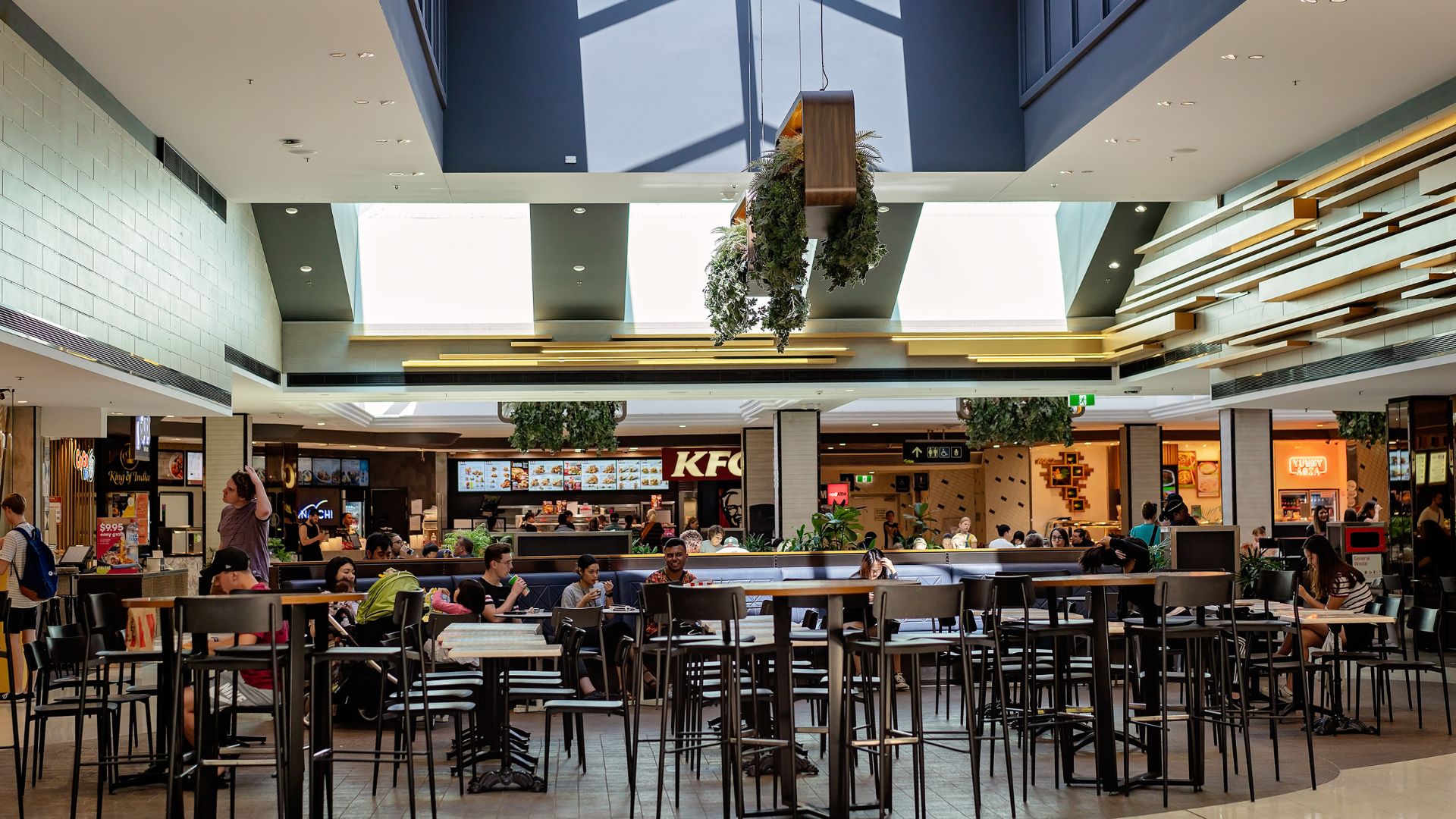
High Foot Traffic and Constant Movement in Mall Food Courts Cause Slip and Falls
Shopping mall food courts attract steady crowds from morning through evening. Families, employees, and tourists move continuously between vendors, seating areas, and trash stations. This constant movement spreads spills quickly across large sections of the floor.
Because of this traffic, hazards rarely stay confined to one spot. A small spill near a counter often travels across walkways within minutes. Mall operators must anticipate this movement. When they rely on infrequent inspections, dangerous conditions develop and remain unnoticed until someone falls.
In Los Angeles shopping malls, food courts often serve as central gathering areas. Their location increases exposure and magnifies the consequences of poor safety planning.
Beverage Stations and Self Service Areas Create Ongoing Spill Risks
Self service drink stations and condiment counters generate repeated spills throughout the day. Customers fill cups, carry trays, and navigate crowded spaces. Spilled liquids often go unnoticed during busy periods.
Mall operators know these stations pose risks. However, many fail to increase inspection frequency or provide adequate floor traction. This failure often supports claims that the property owner ignored known dangers.
As a Los Angeles shopping mall slip and fall accident attorney, we frequently see injuries linked to drink stations that lacked nearby warning signs or mats.
Tray Returns and Trash Areas Increase Slipping Hazards
Tray return stations and trash receptacles often become spill zones. Leftover drinks leak onto the floor, and food debris accumulates near disposal areas.
Mall staff often focus on trash removal rather than floor safety. As a result, liquids remain on walking surfaces longer than acceptable. These conditions increase the likelihood of sudden and severe falls.
Grease Buildup and Food Preparation Residue on Mall Floors in LA
Grease and oil represent some of the most dangerous substances found in shopping mall food courts. Vendors prepare food continuously, and residue spreads beyond kitchen areas.
Grease often creates invisible hazards. Shoppers may not recognize the danger until their feet lose traction. This lack of visibility strengthens premises liability claims because it defeats arguments that the hazard was obvious.
In Los Angeles shopping malls, food court flooring often prioritizes appearance over safety. Smooth tile and polished stone surfaces react poorly to grease buildup.
Poor Floor Cleaning Methods in Dining Areas
Improper cleaning methods often worsen food court hazards. Over mopping, inadequate degreasers, and rushed cleanup leave slippery residue behind.
Mall operators frequently rely on nighttime cleaning schedules. However, food courts remain hazardous throughout the day. When cleaning practices fail to match real world conditions, liability increases.
Documenting these failures helps establish that the mall did not take reasonable steps to protect diners and shoppers.
Delayed Cleanup During Peak Dining Hours
Peak meal times place additional strain on maintenance crews. Lunch and dinner hours create higher spill rates and reduced response times.
Mall owners often staff food courts inadequately during these periods. Delayed cleanup allows hazards to remain long enough to cause serious injuries. This pattern often appears in incident histories and maintenance logs.
Seating Areas and Walkway Transitions Inside Mall Food Courts
Food court seating areas introduce additional risks. Shoppers carry food and drinks across transitions between counters, seating, and exits.
Flooring often changes between these zones. Tile transitions, grout lines, and uneven surfaces increase fall risks when combined with liquids. These transitions frequently catch shoppers off guard.
Los Angeles shopping malls rarely provide sufficient warnings at these transition points. When injuries occur, these design choices become central to liability arguments.
Congestion Around Tables and Chairs
Crowded seating areas reduce visibility and limit movement. Shoppers navigate around chairs while carrying food and drinks.
This congestion increases the chance of slips and trips. Mall operators must account for these conditions. Failure to do so often reflects poor safety planning rather than unavoidable accidents.
Inadequate Floor Mats and Safety Barriers
Floor mats help reduce slipping hazards when placed correctly. However, many malls use mats improperly or fail to use them at all.
Mats that are too small or poorly positioned fail to address widespread spills. In some cases, mats themselves create tripping hazards. These failures often support claims that safety measures were insufficient.
Severe Injuries Resulting From Food Court Slip and Fall Accidents
Food court slip and fall accidents frequently cause serious injuries. Hard flooring surfaces increase the force of impact. Shoppers often fall backward or sideways without warning.
Common injuries include fractures, head trauma, spinal injuries, and torn ligaments. These injuries disrupt daily life and often require extended treatment.
As a Los Angeles shopping mall slip and fall accident attorney, we see how quickly these injuries escalate from minor discomfort to long term impairment.
Long Term Consequences of Food Court Falls
Many victims experience chronic pain and limited mobility after a food court fall. These limitations affect work, independence, and quality of life.
Documenting long term consequences strengthens claims for future medical care and non economic damages. These impacts extend far beyond the initial incident.
Why Food Court Slip and Fall Claims Require Immediate Action
Food court environments change rapidly. Evidence disappears, and conditions improve quickly after an injury.
Prompt action preserves proof and protects the injured shopper’s rights. Delays allow mall owners and insurers to control the narrative.
Take the Next Step After a Los Angeles Shopping Mall Slip and Fall Injury – No Fees Unless We Win
A fall inside a shopping mall often creates more than physical pain. It brings financial stress, missed work, and constant questions about what comes next. While you focus on healing, mall owners and insurance carriers often begin building their defense immediately. Because of this, early legal guidance plays a critical role in protecting your claim.
At Azizi Law Firm, we approach every shopping mall slip and fall case with urgency and care. We take time to understand how the injury occurred and how it affects your daily life. From there, we handle the legal process with focus and determination. Our goal remains clear from the start, to pursue accountability and fair compensation.
David Azizi has represented injured individuals throughout Los Angeles for decades. His experience with premises liability claims allows him to anticipate defense strategies and respond effectively. Shopping mall cases require persistence and preparation. That is how our firm approaches every client matter.
If you were injured while shopping in Los Angeles, do not assume the mall will do the right thing on its own. Protect your rights by speaking with a Los Angeles shopping mall slip and fall accident attorney who understands these cases from the inside out.
Call (213) 673-1466 to schedule a free consultation. There is no fee unless compensation is recovered. Take the next step with confidence and learn how our firm can help you move forward.