




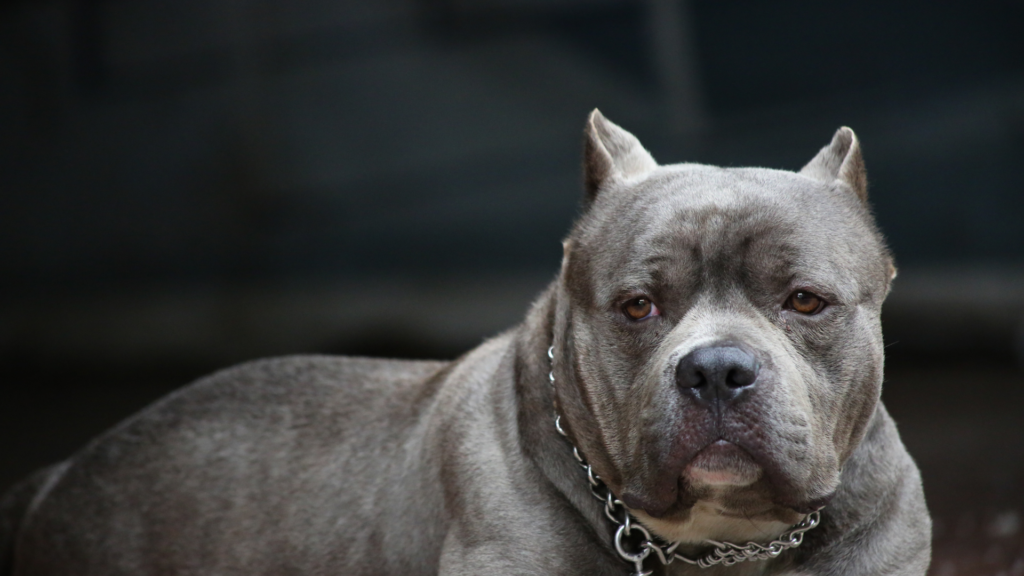
South Los Angeles Shelter Costs City $3.25 Million After Pit Bull Mauls New Owner
A Los Angeles city animal shelter’s decision to adopt out a pit bull with a troubling bite history ended in serious injury for the woman who took him home, according to The Los Angeles Times. The 4-year-old gray pit bull named Valerio was described by volunteers as “sweet” before Kristin Wright adopted him, but just two days after bringing him home in August 2022, he attacked her, breaking her right arm and severely injuring her left arm. Only after the mauling did Wright learn that Valerio had previously been surrendered to the shelter for biting his former owner’s elderly mother in the face, and that errors in shelter records had failed to properly disclose that history to her. Wright and her husband later sued the city and secured a $3.25-million settlement, and Wright has endured multiple surgeries and ongoing nerve damage that has impacted her ability to work.
Incidents involving dog attacks, particularly when a shelter fails to disclose a known bite history, raise serious concerns about public safety, transparency, and accountability. When a newly adopted dog with prior aggressive behavior seriously injures its owner, it highlights the risks posed by incomplete records and the importance of accurate disclosures to protect adopters and the community. At Azizi Law, we help individuals across the Los Angeles metro understand their rights after serious dog bite incidents, investigate failures in disclosure or oversight, and navigate the legal and insurance challenges that often follow. If you or someone you love has been injured in a dog attack or harmed due to misleading information about an animal’s history, call us today at (213) 673-1466 to discuss your situation.
Why Legal Representation Matters After Being Injured from a Serious South Los Angeles Dog Bite
After a South Los Angeles dog bite, our team at Azizi Law understands how quickly a traumatic attack can leave victims facing serious injuries, emotional distress, and uncertainty about their next steps. We know that dog bite cases often involve complex liability issues, especially when questions arise about prior bite history, owner responsibility, or failures by shelters or agencies to disclose known risks. Our team works to help clients understand their rights under California’s strict liability dog bite laws while carefully investigating the circumstances that led to the attack.
We also recognize that the impact of a serious dog bite often extends beyond immediate medical treatment, affecting a person’s ability to work, carry out daily activities, and feel safe in their own community. At Azizi Law, we take a thorough approach by reviewing medical records, witness statements, animal control reports, and any available documentation related to the dog’s history. We work to build strong cases that reflect the full scope of our clients’ physical, emotional, and financial losses while providing steady guidance and support throughout the legal process.

How California Law Applies to a South Los Angeles Dog Bite Claim
California law provides strong protections for dog bite victims, which is especially important in serious incidents occurring in densely populated areas like South Los Angeles. Unlike states that require proof of a dog’s prior aggression, California generally holds dog owners responsible regardless of the animal’s history. Understanding how these laws apply helps victims recognize their rights and the legal standards that govern their claims. Proper application of the law often determines whether a claim succeeds and what compensation victims can get.
California’s Strict Liability Dog Bite Rule
California follows a strict liability standard for most dog bite cases. This rule simplifies the legal process for victims by reducing the burden of proof. Dog owners are typically responsible even if the dog never showed aggression before.
What Strict Liability Means for Dog Owners
Under California Civil Code section 3342, a dog owner is liable if their dog bites someone in a public place or while the victim is lawfully on private property. The victim does not need to prove negligence or prior knowledge of danger. Ownership and the act of biting are usually enough. This rule applies to most South Los Angeles dog bite claims.
Strict liability reflects public safety concerns. The law expects dog owners to control their animals at all times. Failure to do so results in responsibility for injuries. The law prioritizes victim protection.
Situations Where Strict Liability Applies
Strict liability applies when the victim was lawfully present. This includes pedestrians, guests, delivery workers, and service providers. Liability law covers public streets, sidewalks, and parks. Private property is also covered when entry is lawful.
The location of the bite matters. Trespassing may change how the law applies. However, many victims qualify under the statute. Legal analysis confirms eligibility.
Exceptions and Defenses Under California Law
Although California law favors victims, there are limited exceptions and defenses that may arise. Dog owners often attempt to rely on these defenses. Careful evaluation determines whether they apply.
Trespassing and Unlawful Entry Issues
Strict liability generally does not apply if the victim was trespassing. Lawful presence is necessary. Property boundaries and permission may become disputed. Evidence clarifies these issues.
Delivery workers and invited guests are typically lawful. Children may also be treated differently. Context matters greatly. Legal review helps address these defenses.
Provocation and Comparative Fault Arguments
Dog owners may argue that the victim provoked the dog. Provocation may reduce or bar recovery in some cases. Evidence of behavior leading up to the bite becomes important. Witness accounts may matter.
California follows comparative fault principles. Partial responsibility may reduce damages rather than eliminate them. These arguments are fact-specific. Proper documentation counters unfair claims.
Additional Legal Theories Beyond Strict Liability
Some South Los Angeles dog bite claims involve more than strict liability. Additional legal theories may apply depending on the circumstances. These theories can expand recovery options.
Negligence Claims Against Dog Owners
Negligence may apply when owners fail to leash or control their dogs. Violations of local leash laws often support negligence claims. Failure to warn may also be relevant. These claims focus on conduct.
Negligence claims may apply even without a bite. Attacks or knockdowns may qualify. Proof standards differ slightly. Multiple theories may be pursued.
Liability of Landlords, Property Owners, and Shelters
Liability may extend beyond the dog owner. Landlords may be responsible if they knew of dangerous dogs and failed to act. Property owners may share control over premises. Knowledge and control matter.
Animal shelters or agencies may also be involved. Failure to disclose bite history can create liability. These cases involve detailed investigation. Responsibility may be shared.
Local Ordinances and Their Impact on Dog Bite Claims
Local South Los Angeles ordinances may also influence dog bite cases. These rules often regulate leash requirements and dangerous dog classifications. Violations strengthen claims.
Leash Laws and Dangerous Dog Designations
Los Angeles has leash laws requiring owners to restrain their dogs in public. Violations often support negligence arguments. Dangerous dog classifications may also apply. Prior incidents matter. Animal control records often document violations. These records support claims. Compliance failures increase liability. Local rules reinforce state law.
Role of Animal Control and Enforcement Records
Animal control investigations often follow dog bites. Reports may include bite history and enforcement actions. These records provide valuable evidence. Documentation supports timelines.
Enforcement actions may affect future ownership. Records help establish patterns. Early requests preserve evidence. Official findings matter.
How California Law Shapes Compensation and Claims
California law also affects the type and amount of compensation available after a South Los Angeles dog bite. Understanding these remedies helps victims pursue fair recovery.
Available Damages Under California Law
Victims may recover medical expenses, lost income, and pain and suffering. Emotional distress and scarring may be included. The law may also compensate for future care. Damages reflect full impact. Strict liability simplifies recovery. Proof focuses on injuries rather than behavior. Comprehensive documentation supports claims. Fair compensation is the goal.
Importance of Applying the Law Correctly
Proper application of California law strengthens claims. Misunderstanding standards can weaken cases. Early legal analysis helps avoid mistakes. Strategy matters, especially in more complex or involved cases. South Los Angeles dog bite claims rely heavily on correct legal framing. Understanding how California law applies protects victim rights. Legal clarity supports accountability and recovery.
Time Limits for Filing a South Los Angeles Dog Bite Lawsuit
Time limits are a critical factor in any South Los Angeles dog bite lawsuit, as California law strictly controls how long victims have to take legal action. These deadlines, known as statutes of limitations, apply regardless of how serious the injuries may be or how clear liability appears. Missing a filing deadline can permanently bar a victim from recovering compensation, even in strong cases. Understanding and tracking these time limits early helps protect legal rights and preserve the ability to pursue accountability.
California Statute of Limitations for Dog Bite Claims
Most South Los Angeles dog bite cases fall under California personal injury law. However, the applicable deadline can vary depending on who is being sued and the circumstances of the attack. Identifying the correct time frame is essential.
Standard Deadline for Personal Injury Dog Bite Lawsuits
In most cases, victims have two years from the date of the dog bite to file a personal injury lawsuit in California. This deadline applies to claims against dog owners and other private parties. Courts enforce this rule strictly, and late filings are typically dismissed without consideration of the facts.
The two-year period begins on the date the injury occurred. Ongoing medical treatment does not extend the deadline. Early legal review allows time to investigate and prepare properly. Waiting too long can jeopardize the claim.
Wrongful Death Deadlines After Fatal Dog Attacks
If a South Los Angeles dog bite results in death, surviving family members may pursue a wrongful death claim. These claims generally must also be filed within two years from the date of death. This timeline applies even if the dog bite occurred earlier.
Wrongful death cases often involve complex emotional and financial issues. Families may need time to grieve before taking action. Even so, deadlines continue to run. Early guidance helps preserve rights while allowing space for healing.
Shorter Deadlines When Government Entities Are Involved
Some South Los Angeles dog bite cases involve government-owned property, public housing, or city-operated animal shelters. When a government entity may share responsibility, much shorter deadlines apply. These cases require immediate attention.
Government Claim Notice Requirements
Claims against the City of Los Angeles or other public entities generally require a formal government claim to be filed within six months of the injury. This notice must meet specific legal requirements. Failure to file a timely and proper notice often bars any future lawsuit.
Government claim notices must identify the incident, injuries, and alleged wrongdoing. Incomplete or late notices may be rejected. Identifying government involvement early is critical. Delay can eliminate recovery options entirely.
Lawsuit Deadlines After Government Claim Responses
After a government claim is filed, additional deadlines apply depending on how the entity responds. If the claim is denied, victims typically have a limited time to file a lawsuit. These deadlines are strictly enforced.
Tracking these timelines is essential. Missing a follow-up deadline can end the case regardless of merit. Government-related dog bite claims require precision and careful management. Early action reduces risk.
Who Is Liable in a South Los Angeles Dog Bite Case
Determining liability after a South Los Angeles dog bite is a critical step in pursuing compensation and accountability. While California’s strict liability law often places responsibility on the dog’s owner, liability does not always stop there. Depending on the circumstances of the attack, multiple parties may share responsibility for the injuries suffered. A thorough review of ownership, control, and prior knowledge helps identify all potentially liable parties.
Dog Owner Liability
In most South Los Angeles dog bite cases, the dog’s owner is the primary liable party. California law places a strong duty on owners to control their animals and prevent harm. Ownership alone can be enough to establish responsibility.
Strict Liability for Dog Owners Under California Law
California’s strict liability statute generally holds dog owners responsible when their dog bites someone in a public place or while the victim is lawfully on private property. Victims do not need to prove negligence or prior aggression. The focus is on ownership and the act of biting. This rule applies regardless of breed or past behavior.
Strict liability reflects public safety priorities. Owners are expected to anticipate risks. Failure to prevent a bite results in responsibility. This standard simplifies many South Los Angeles dog bite claims.
Situations That Strengthen Owner Liability
Owner liability may be reinforced by factors such as leash law violations or failure to restrain the dog. Allowing a dog to roam freely increases risk. Prior complaints or warnings may also matter. These facts often strengthen claims.
Statements made by the owner after the incident can also be relevant. Admissions of control or knowledge may support liability. Documentation matters. Evidence clarifies responsibility.
Liability of Landlords and Property Owners
In some cases, liability may extend beyond the dog owner to landlords or property owners. This often depends on control and knowledge. These cases require careful factual analysis.
When Landlords May Be Held Responsible
Landlords may be liable if they knew or should have known about a dangerous dog on the property. Prior bite incidents or complaints are important. Control over the premises also matters. Failure to act may create liability.
Landlords are not automatically responsible. Knowledge and ability to remove the danger are key. Lease terms may also be reviewed. Liability depends on circumstances.
Property Owners and Common Areas
Property owners who control common areas may share responsibility. Attacks occurring in shared spaces like hallways or yards may implicate owners. Maintenance and security practices matter. Control over the area is central.
Owners who allow dangerous conditions to persist may be liable. Evidence of control strengthens claims. Responsibility may overlap. Investigation is essential.
Liability of Animal Shelters and Rescue Organizations
Some South Los Angeles dog bite cases involve dogs recently adopted from shelters or rescues. Liability may arise if known risks were not disclosed. These cases often involve record review.
Failure to Disclose Prior Bite History
Shelters may be liable if they fail to disclose known bite history. California law requires accurate records. Misrepresenting a dog’s behavior can endanger adopters. Disclosure failures raise serious concerns.
Adoption paperwork and internal notes often become evidence. Incomplete records may indicate negligence. Transparency is critical. Accountability may follow.
Negligent Adoption or Placement Practices
Improper screening or placement may also create liability. Adopting out a dangerous dog without safeguards may be negligent. Training and evaluation practices matter. Standards must be followed. Shelters are expected to act reasonably. Ignoring known risks may result in responsibility. These cases are fact-specific. Investigation determines exposure.
Liability of Caretakers and Dog Handlers
Individuals other than owners may also bear responsibility. Control at the time of the attack is a key factor. Temporary caretakers may be liable.
Dog Sitters, Walkers, and Temporary Custodians
Dog sitters or walkers who have control over the dog may share liability. Failure to restrain or supervise may contribute to attacks. Control establishes duty. Responsibility may apply. Professional handlers may be held to higher standards. Training and experience matter. Contracts may be reviewed. Control defines liability.
Family Members or Co-Residents
Family members living with the owner may also be considered custodians. Shared control over the dog matters. Knowledge of behavior may be relevant. Responsibility may be shared. Courts examine daily control and involvement. Ownership is not the only factor. Evidence clarifies roles. Liability depends on facts.
Multiple Parties and Shared Liability
South Los Angeles dog bite cases often involve more than one liable party. Shared responsibility may increase recovery options. Identifying all parties matters.
Apportioning Fault Among Liable Parties
California follows comparative fault principles. Responsibility may be divided among parties. Each party may bear a percentage of fault. Apportionment affects compensation. Insurance coverage may differ between parties. Multiple policies may apply. Strategic analysis protects recovery. Allocation matters.
Why Identifying All Liable Parties Is Important
Limiting claims to one party may restrict compensation. Severe injuries often exceed single policy limits. Identifying all responsible parties strengthens claims. Comprehensive review protects victims. Thorough investigation ensures accountability. No responsible party should be overlooked. Liability analysis supports fair outcomes. Responsibility matters after a South Los Angeles dog bite.
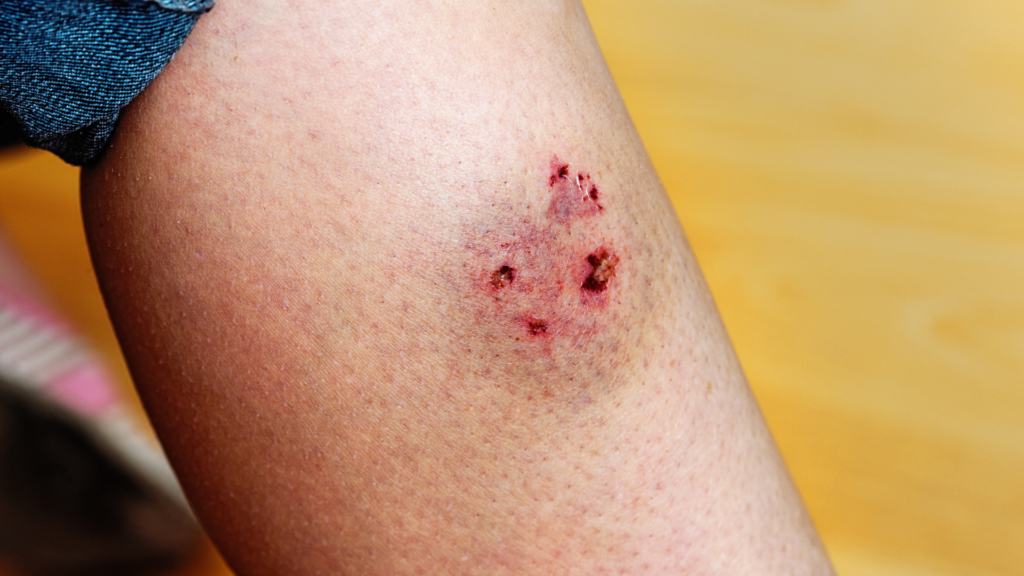
How a Los Angeles Dog Bite Accident Attorney Supports Victims
A serious dog bite can leave victims dealing with painful injuries, emotional trauma, and uncertainty about how to hold the responsible parties accountable. Dog bite cases in Los Angeles often involve strict liability laws, insurance disputes, and questions about prior bite history or negligent supervision. An experienced dog bite accident attorney helps victims navigate these challenges while protecting their rights at every stage. The goal is not only to pursue compensation but also to provide clarity and support during a difficult recovery process.
Investigating the Dog Bite Incident
A thorough investigation is the foundation of a strong dog bite claim. Attorneys work to uncover what happened and why the attack occurred. Early investigation helps preserve critical evidence.
Reviewing Animal Control and Incident Reports
Animal control reports often provide key details about the dog, the owner, and prior incidents. Attorneys obtain and review these records carefully. Bite history and prior complaints can significantly affect liability. Accurate reports strengthen claims. Police or emergency response records may also be reviewed. These documents help establish timelines and severity. Consistency across reports matters. Documentation builds credibility.
Identifying Prior Aggressive Behavior or Warnings
Past aggressive behavior by the dog can be important evidence. Attorneys look for prior bites, complaints, or warnings given to the owner. Knowledge of risk increases responsibility. Records and witness statements often reveal this history. Shelter or adoption records may also be relevant. Failure to disclose known risks can create liability. Investigation extends beyond the attack itself. Context matters greatly.
Establishing Legal Liability Under California Law
California dog bite law provides strong protections for victims. Attorneys apply these laws to hold owners and other parties accountable. Legal analysis shapes the case strategy.
Applying California’s Strict Liability Dog Bite Statute
California generally holds dog owners strictly liable for bites. Victims do not need to prove negligence in many cases. Attorneys explain how this law applies to the facts. Proper application simplifies liability. Exceptions and defenses are evaluated carefully. Location and victim status matter. Legal clarity helps avoid disputes. Understanding the statute is essential.
Evaluating Additional Responsible Parties
Liability may extend beyond the dog owner. Property owners, landlords, or shelters may share responsibility. Attorneys assess control and knowledge. Multiple parties may be involved. Identifying all liable parties increases recovery options. Insurance coverage varies. Comprehensive analysis protects victims. No potential source is overlooked.
Documenting Injuries and Damages
Dog bite injuries often involve both physical and emotional harm. Attorneys work to document the full impact. Complete records support fair compensation.
Collecting Medical Records and Treatment Evidence
Medical documentation establishes injury severity and causation. Attorneys gather hospital records, surgical reports, and follow-up care documentation. Treatment timelines matter. Accurate records support claims. Future medical needs may also be evaluated. Scarring or nerve damage may require ongoing care. Documentation helps project costs. Thorough records are critical.
Addressing Emotional Trauma and Psychological Impact
Dog attacks often cause lasting emotional distress. Anxiety, fear, and post-traumatic stress are common. Attorneys help document these effects. Mental health treatment records may support claims. Emotional harm is compensable under California law. Testimony and evaluations matter. Acknowledging this impact is important. Recovery involves more than physical healing.
Handling Insurance Claims and Negotiations
Insurance companies often become involved quickly after a dog bite. Attorneys manage these interactions strategically. Protection from unfair tactics matters.
Communicating With Insurance Adjusters
Insurance adjusters may seek statements or minimize injuries. Attorneys handle communications to protect victims. Controlled messaging reduces risk. Strategy matters early. Documentation is presented carefully. Evidence supports demands. Attorneys respond to defenses effectively. Negotiations become more balanced.
Negotiating Fair Settlements
Attorneys assess claim value based on evidence and damages. Settlement negotiations aim to reflect full losses. Preparation improves leverage. Fair outcomes require persistence. Low initial offers are common. Attorneys push back with documentation. Negotiation often evolves. Advocacy drives results.
Preparing for Litigation When Necessary
Not all dog bite cases resolve through settlement. Attorneys prepare for litigation when needed. Readiness strengthens positions.
Filing Lawsuits and Managing Court Procedures
Attorneys handle filings, deadlines, and procedural rules. Courts expect precision. Legal experience matters. Proper handling avoids setbacks. Discovery and motion practice may follow. Evidence is exchanged and examined. Preparation is thorough. Litigation requires structure.
Presenting a Clear and Persuasive Case
Litigation focuses on storytelling supported by proof. Attorneys present evidence clearly. Witness testimony and records matter. Persuasion is key. Judges and juries respond to credibility. Preparation builds confidence. Strong presentation supports justice. Advocacy continues until resolution.
Providing Ongoing Support Throughout the Process
Legal support extends beyond paperwork and court appearances. Attorneys provide guidance and reassurance. Clients deserve consistent communication.
Keeping Victims Informed and Supported
Regular updates help clients understand progress. Questions are addressed promptly. Transparency reduces stress. Support builds trust. Victims feel empowered when informed. Understanding options matters. Communication remains a priority. Support is ongoing.
Helping Victims Move Forward After Resolution
After resolution, attorneys assist with final steps. Questions about settlements or records are answered. Closure matters. Support continues thoughtfully. A Los Angeles dog bite accident attorney plays a vital role in helping victims pursue accountability, recovery, and peace of mind after a traumatic attack.
Contact an Experienced Los Angeles Dog Bite Lawyer Today
At Azizi Law, we bring focused experience and a deep understanding of California dog bite law to cases involving serious injuries throughout Los Angeles. We know that dog bite incidents can be overwhelming, particularly when victims are left dealing with painful injuries, mounting medical expenses, and difficult questions about who should be held accountable. Our team takes the time to carefully investigate the circumstances surrounding each attack, identify all potentially responsible parties, and pursue compensation that truly reflects the physical, emotional, and financial impact the injury has had on our clients’ lives.
We also believe that effective legal representation means providing clear communication, thorough preparation, and dedicated advocacy from start to finish, especially during such a stressful time. At Azizi Law, we handle interactions with insurance companies, gather and preserve critical evidence, and manage every aspect of the legal process so our clients can focus on healing and recovery. If you or someone you love has been injured in a dog attack anywhere in Los Angeles, give us a call today at (213) 673-1466 or fill out our online contact form to discuss your case and learn how we can help protect your rights and pursue the recovery you deserve.