




Echo Park Waymo Crash Exposes Dangers of Narrow Streets
A Waymo autonomous vehicle struck multiple parked cars on a street in Echo Park last Wednesday, according to KTLA News. Video from the incident shows the self-driving car colliding with at least three parked vehicles along a residential street before coming to a stop, prompting a response from local authorities and the California Highway Patrol. No serious injuries were reported, and no pedestrians were struck during the crash, though the full extent of property damage is still being assessed. Investigators are reviewing the circumstances surrounding the incident to determine what led to the Waymo vehicle’s apparent loss of control. The incident ignited debate from local residents about the use of Waymo on the street, described as narrow and busy during Dodger Stadium events.
Crashes involving autonomous vehicles raise important questions about safety, technology reliability, and accountability when things go wrong on public streets. When a self-driving vehicle strikes parked cars in a busy residential area, it highlights the potential risks these vehicles may pose to property owners, pedestrians, and other drivers, even without human error behind the wheel. Incidents like this often leave people wondering how fault is determined and which parties may be responsible for resulting damage. At Azizi Law, we help individuals across the Los Angeles metro understand their rights after crashes involving emerging vehicle technologies, investigate what caused the collision, and navigate the complex insurance and liability issues that can follow. If you or someone you love has been affected by a crash involving an autonomous vehicle or unexpected roadway hazard, call us today at (213) 673-1466 to discuss your situation.
How an Echo Park Waymo Crash Lawyer Supports Clients
An Echo Park Waymo crash can leave property owners, drivers, and nearby residents facing unexpected damage and uncertainty about who may be responsible, especially when an autonomous vehicle is involved. At Azizi Law, we understand that these incidents raise complex questions about technology performance, vehicle programming, and corporate accountability that differ from traditional car crashes. We help our clients navigate how liability may be evaluated when a self-driving vehicle causes damage and work to ensure that critical evidence, including vehicle data and incident reports, is preserved early. Our goal is to provide clarity and guidance during situations that can feel confusing and unfamiliar.
At Azizi Law, we also work to protect our clients from insurance complications and delayed responses that sometimes follow crashes involving autonomous vehicles. Claims may involve multiple parties, such as vehicle manufacturers, technology developers, and insurers, all of whom may attempt to limit responsibility. We manage communications on our clients’ behalf, review available data, and advocate for outcomes that fairly address property damage and related losses. Through consistent support and clear communication, we help clients move forward with confidence while their case is handled thoughtfully and thoroughly.
Steps to Take After an Echo Park Waymo Crash
An Echo Park Waymo crash can leave drivers, residents, and property owners unsure of what to do next, especially when an autonomous vehicle is involved. These incidents often raise unfamiliar questions about liability, technology, and insurance coverage that differ from traditional accidents. Taking the right steps early can help protect your safety, preserve important evidence, and reduce complications later. A thoughtful response can make a meaningful difference in how the situation is resolved.
Ensure Safety and Assess the Situation
The first priority after any crash is safety, particularly in residential areas like Echo Park where pedestrians and parked vehicles may be nearby. Autonomous vehicle incidents can create confusion at the scene, making awareness especially important.
Move to a Safe Location if Possible
If you are able to do so safely, move yourself and any involved vehicles out of active traffic. This helps reduce the risk of secondary collisions and keeps the area clear for emergency responders. Remaining alert to surroundings is especially important on narrow residential streets.
Check for Injuries and Call for Help
Even if the crash appears minor, check yourself and others for injuries. Some injuries may not be immediately noticeable due to adrenaline or shock. Calling emergency services ensures medical needs are addressed and creates an official record of the incident.
Contact Law Enforcement and Request a Report
An official police report is an important part of documenting an Echo Park Waymo crash. Law enforcement involvement helps establish a neutral account of what occurred. This documentation may be relied upon by insurers and legal teams.
Request Officers at the Scene
Officers can document vehicle positions, damage, and roadway conditions. They may also note whether the Waymo vehicle was operating autonomously at the time of the incident. These details often become critical later.
Provide Clear and Factual Information
When speaking with officers, describe what you observed without speculating about fault or system failures. Stick to factual details such as location, timing, and visible damage. Accuracy helps avoid confusion later.
Document the Crash Scene Thoroughly
Evidence from an Echo Park Waymo crash can disappear quickly once vehicles are moved or repairs begin. Taking time to document the scene helps preserve key details. Visual records often play an important role in resolving claims.
Take Photos and Videos of Damage and Surroundings
Capture images of vehicle damage, parked cars, street layout, signage, and lighting conditions. Photos from multiple angles help provide context. Videos can also show the surrounding environment and traffic flow.
Record Waymo Vehicle Information
Note the Waymo vehicle number, license plate, and any identifying markings. This information helps identify the specific vehicle involved. Accurate identification supports later investigation.
Be Cautious When Communicating With Insurance Companies
Insurance claims involving autonomous vehicles can be more complex than standard accidents. Multiple insurers or corporate entities may be involved. Taking a cautious approach helps protect your interests.
Avoid Giving Recorded Statements Too Quickly
Insurance representatives may request recorded statements soon after the crash. These statements can later be used to limit claims or shift responsibility. Taking time before responding helps avoid misinterpretation.
Keep Copies of All Communications and Documents
Save emails, letters, claim numbers, and notes from phone calls. Organized records reduce confusion and support your claim. Documentation helps ensure nothing is overlooked.
Preserve Property Damage and Related Evidence
Property damage is often a primary concern after an Echo Park Waymo crash, especially when parked vehicles are involved. Preserving evidence helps establish the extent of damage. Avoid rushing repairs.
Delay Repairs Until Damage Is Documented
Photograph and document damage thoroughly before making repairs. Repairs performed too early may remove important evidence. Documentation supports accurate evaluation.
Save Repair Estimates and Receipts
Keep written estimates and invoices related to repairs. These documents help establish the cost of damage. Organized records support reimbursement efforts.
Monitor for Delayed Issues or Additional Damage
Not all effects of a crash are immediately obvious. Damage or related issues may appear later. Staying attentive helps ensure all concerns are addressed.
Watch for Mechanical or Structural Issues
Even parked vehicles may suffer hidden damage affecting alignment or safety systems. Pay attention to changes after repairs. Follow up as needed.
Track Time and Inconvenience Caused by the Crash
Loss of vehicle use, repair delays, or related expenses can add up. Keeping notes about disruptions helps illustrate impact. These details may matter during claim evaluation.
Consider Legal Guidance for Complex Situations
Waymo crashes often involve evolving laws and unfamiliar processes. Legal guidance can help clarify options. Understanding rights early reduces uncertainty.
Address Questions About Liability and Responsibility
Determining fault in autonomous vehicle crashes may involve corporate policies and technical data. Legal insight helps explain how responsibility may be assessed. Clarity supports informed decisions.
Protect Long-Term Interests
Early guidance helps prevent mistakes that could affect resolution later. Thoughtful handling supports fair outcomes. Preparation provides peace of mind.
Property Damage Claims Following an Echo Park Waymo Crash
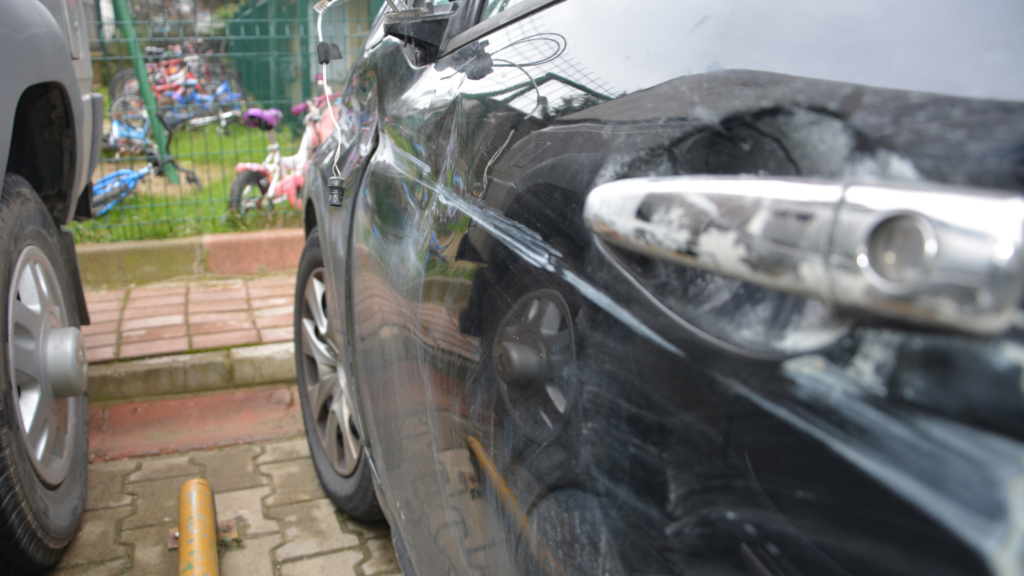
An Echo Park Waymo crash can result in significant property damage, particularly when autonomous vehicles strike parked cars, residential structures, or street fixtures. Unlike traditional collisions, property damage claims involving self-driving vehicles often raise unique questions about liability, insurance coverage, and how responsibility is assigned when no human driver is actively controlling the vehicle. Property owners may face repair costs, temporary loss of use, and delays while corporate insurers investigate the incident. Understanding how these claims are handled helps affected individuals protect their interests and pursue fair resolution.
Types of Property Damage Commonly Involved
Property damage from a Waymo crash can extend beyond a single vehicle. The location and nature of autonomous vehicle operations often place nearby property at risk. Identifying the full scope of damage is an important first step.
Damage to Parked Vehicles
Parked cars are frequently involved in Echo Park Waymo crashes, especially on narrow residential streets. Damage may include body panel impacts, broken lights, suspension issues, or frame misalignment. Even seemingly minor collisions can result in costly repairs or diminished vehicle value.
Damage to Residential or Public Property
In some cases, Waymo crashes may impact fences, walls, utility poles, signage, or landscaping. Damage to residential property can require coordination with homeowners associations or city agencies. These claims often involve additional documentation and repair standards.
Determining Responsibility for Property Damage
Assigning responsibility in a Waymo-related property damage claim is often more complex than in a traditional accident. Liability may rest with corporate entities rather than individual drivers. Determining responsibility requires careful analysis.
Role of the Autonomous Vehicle Operator
Waymo, as the operator of the autonomous vehicle, may bear responsibility for damage caused during autonomous operation. Claims often focus on system behavior, routing decisions, and vehicle response. Corporate accountability becomes central to these cases.
Evaluating External Contributing Factors
In some situations, external factors such as roadway conditions, construction zones, or actions by other drivers may contribute to the crash. Responsibility may be shared among multiple parties. Evaluating all contributing factors helps ensure accurate fault assessment.
Navigating Corporate Insurance and Claims Processes
Property damage claims involving Waymo often involve large corporate insurance policies. These claims may move more slowly than standard auto insurance claims, and California law sets a three-year statute of limitations for civil actions. Understanding the process helps manage expectations.
Working With Autonomous Vehicle Insurance Carriers
Autonomous vehicle operators typically maintain specialized insurance coverage. Property owners may be unfamiliar with these policies and procedures. Claims often involve additional review and documentation requirements.
Addressing Delays or Limited Responses
Corporate insurers may take additional time to review vehicle data and internal reports before responding. These delays can be frustrating for property owners needing repairs. Persistent follow-up and documentation help move claims forward.
Documenting and Supporting Property Damage Claims
Strong documentation is essential to support property damage claims after an Echo Park Waymo crash. Clear records help establish the extent of damage and associated costs. Early documentation reduces disputes.
Photographing Damage and Surrounding Conditions
Photos should capture all visible damage, including close-up and wide-angle views. Images of the surrounding street, vehicle position, and nearby objects provide context. Thorough visual documentation strengthens claims.
Collecting Repair Estimates and Professional Assessments
Written repair estimates from qualified professionals help establish repair costs. In some cases, multiple estimates may be needed. Documentation supports fair valuation of damage.
Loss of Use and Related Expenses
Property damage often results in additional inconvenience beyond repair costs. Loss of vehicle use or access issues may create further expenses. These impacts are often overlooked.
Transportation and Rental Costs
When a damaged vehicle is unusable, property owners may need rental vehicles or alternative transportation. Keeping records of these costs helps support reimbursement. Loss of use is an important consideration.
Impact on Daily Life or Property Access
Damage to driveways, garages, or residential structures may limit access. These disruptions can affect daily routines and responsibilities. Documenting inconvenience helps illustrate broader impact.
Resolving Disputes Over Property Damage Claims
Not all property damage claims are resolved smoothly. Disagreements may arise over repair scope, cost, or responsibility. Understanding dispute resolution options is important.
Challenging Undervalued Repair Assessments
Insurers may offer repair estimates that do not reflect full damage. Independent assessments help counter undervaluation. Supporting documentation strengthens challenges.
Escalating Claims When Necessary
When claims stall or are denied, additional steps may be required to pursue resolution. Escalation often involves further documentation and negotiation. Persistence supports fair outcomes.
Importance of Careful Handling in Autonomous Vehicle Claims
Property damage claims involving autonomous vehicles require attention to evolving legal and technological considerations. Thoughtful handling helps avoid missteps. Understanding the process supports confidence.
Protecting Rights in a Developing Legal Landscape
Autonomous vehicle law continues to evolve. Property owners benefit from staying informed about how liability is assessed. Awareness helps protect long-term interests.
Ensuring Accountability for Emerging Technologies
Holding responsible parties accountable helps promote safer deployment of autonomous vehicles. Property damage claims play a role in encouraging responsible operation. Accountability benefits the broader community.
The Role of Autonomous Vehicle Data in an Echo Park Waymo Crash
Autonomous vehicle data plays a critical role in understanding what happened during an Echo Park Waymo crash, especially when there is no human driver actively controlling the vehicle. Unlike traditional accidents that rely heavily on eyewitness accounts and driver statements, Waymo crashes generate large amounts of digital data that can provide objective insight into vehicle behavior. This data can help explain how the vehicle perceived its surroundings, how it responded, and whether the system operated as intended. Proper analysis of this information is often central to determining liability and accountability.
Types of Data Collected by Waymo Vehicles
Waymo vehicles are equipped with advanced systems designed to monitor and record nearly every aspect of operation. This data creates a detailed digital record of events before, during, and after a crash. Understanding what data exists helps clarify how incidents are investigated.
Sensor and Perception Data
Waymo vehicles rely on sensors such as lidar, radar, and cameras to detect nearby vehicles, pedestrians, and obstacles. These systems continuously record information about distance, speed, and object movement. Sensor data can reveal what the vehicle “saw” in the moments leading up to the crash and whether hazards were detected accurately.
Vehicle Control and Performance Logs
Autonomous vehicles also record data related to speed, braking, steering, and acceleration. These logs show how the vehicle responded to its environment and whether it attempted to slow down or change course. Control data often helps determine whether the vehicle behaved reasonably under the circumstances.
Event Data and Crash Reconstruction
Digital records play an important role in reconstructing how an Echo Park Waymo crash unfolded. Unlike human memory, this data provides a time-stamped sequence of events. Accurate reconstruction supports clearer conclusions.
Pre-Crash and Post-Crash Timelines
Waymo systems capture data seconds or minutes before and after an impact. This information helps establish when hazards were detected and how quickly the system reacted. Timelines often reveal whether there was sufficient opportunity to avoid the collision.
Correlating Data With Physical Evidence
Digital data is often analyzed alongside physical evidence such as vehicle damage, skid marks, and surveillance footage. Comparing these sources helps verify accuracy. Consistency between data and physical evidence strengthens conclusions.
Determining Fault Using Autonomous Vehicle Data
Autonomous vehicle data often becomes central when determining who may be responsible for a crash. Unlike traditional accidents, fault may hinge on system performance rather than driver behavior. Data analysis helps clarify these issues.
Evaluating System Decision-Making
Waymo data may show how the vehicle interpreted traffic conditions and made driving decisions. This includes choices related to speed, lane positioning, and obstacle avoidance. Evaluating these decisions helps assess whether the system functioned appropriately.
Identifying Software or System Limitations
Data may also reveal system limitations or failures, such as delayed recognition of obstacles or incorrect prioritization. Identifying these issues helps determine whether design or programming contributed to the crash. These findings can affect corporate liability.
Data Access and Preservation Challenges
Although autonomous vehicle data is highly valuable, accessing it is not always straightforward. Much of the information is controlled by the vehicle operator. Preserving data early is essential.
Risk of Data Overwriting or Loss
Some vehicle data may be overwritten or deleted as part of normal system operations. Delays in requesting preservation can result in loss of critical information. Early action helps protect accuracy.
Corporate Control Over Data Disclosure
Waymo maintains control over its internal data systems. Requests for data may involve legal processes and negotiation. Understanding how to obtain this information is key in autonomous vehicle cases.
Role of Experts in Interpreting Autonomous Data
Raw data alone is often too technical to interpret without expert assistance. Specialists help translate complex information into understandable conclusions. Expert analysis plays a major role in these cases.
Accident Reconstruction and Technology Experts
Experts trained in autonomous vehicle systems analyze data to explain how the vehicle perceived and responded to its environment. Their analysis helps clarify whether the system operated within expected parameters. Expert findings often support or challenge liability claims.
Explaining Data to Insurers or Courts
Autonomous vehicle data must often be presented to insurers, mediators, or courts. Experts help explain technical findings in clear terms. This explanation is critical for informed decision-making.
Importance of Autonomous Data in Accountability and Safety
Beyond individual claims, autonomous vehicle data plays a broader role in safety and accountability. Accurate analysis helps identify patterns and risks. These insights can influence future operations.
Supporting Accountability for Emerging Technology
Data-driven findings help determine whether autonomous systems meet safety expectations. Accountability encourages responsible deployment of self-driving technology. Transparency benefits public trust.
Improving Safety Through Data Analysis
Analyzing crash data helps identify areas for improvement in autonomous systems. Lessons learned from incidents can lead to safer programming and deployment. Data-driven improvement supports long-term safety goals.

Why a Los Angeles Rideshare Accident Attorney Is Crucial After a Waymo Crash
A Waymo crash presents unique legal challenges that differ significantly from traditional vehicle accidents, which is why a Los Angeles rideshare accident attorney is crucial in these situations. Autonomous vehicle collisions often involve advanced technology, corporate policies, and multiple layers of insurance coverage that can make determining fault far more complex. Victims may find themselves facing unclear liability, delayed responses, or conflicting explanations about what went wrong. An experienced attorney helps bring clarity to these complexities while protecting clients’ rights and interests from the very beginning.
Understanding the Unique Legal Issues in Waymo Crashes
Waymo crashes raise legal questions that go beyond standard driver negligence claims. Autonomous systems, software decisions, and human oversight all play potential roles. A rideshare accident attorney understands how these elements intersect legally.
Distinguishing Between Human and Autonomous Control
One key issue in Waymo crashes involves determining whether the vehicle was operating autonomously or under human control at the time of the incident. This distinction can affect which laws apply and who may be held responsible. Attorneys carefully review vehicle data and incident reports to clarify this issue.
Evaluating Corporate Responsibility and Oversight
Autonomous vehicle companies maintain responsibility for system design, testing, and operational safety. Attorneys assess whether company policies, monitoring practices, or system failures contributed to the crash. Corporate accountability often becomes central in these cases.
Identifying All Potentially Liable Parties
Liability in Waymo crashes may extend beyond a single entity. Multiple parties may share responsibility depending on how the vehicle was operating and maintained. Identifying all responsible parties helps ensure accountability.
Technology Developers and Vehicle Manufacturers
Software developers and vehicle manufacturers may bear responsibility if a defect or system error contributed to the crash. Attorneys evaluate technical issues, update histories, and known system limitations. These claims require careful technical analysis.
Third-Party Drivers and External Factors
In some cases, other drivers or roadway conditions may have contributed to the incident. Attorneys examine whether outside factors played a role alongside autonomous operation. Liability may be shared among multiple parties.
Navigating Complex Insurance and Corporate Claims
Insurance issues in Waymo crashes are often more complicated than in standard accidents. Large corporate policies and layered coverage can delay resolution. Legal representation helps manage these challenges.
Addressing Corporate Insurance Policies
Autonomous vehicle companies typically carry substantial insurance coverage. Attorneys understand how these policies apply and how claims are evaluated. Navigating corporate insurance requires persistence and familiarity with policy structures.
Preventing Delays and Claim Denials
Corporate insurers may delay responses while investigating system performance. Attorneys push for timely handling and transparency. Advocacy helps prevent unnecessary delays or unfair denials.
Preserving and Analyzing Critical Evidence
Evidence in Waymo crashes is often highly technical and time-sensitive. Vehicle data, camera footage, and system logs may be overwritten or restricted. Early legal action helps preserve this information.
Securing Vehicle Data and Sensor Information
Autonomous vehicles record extensive data related to speed, braking, and environmental detection. Attorneys work to ensure this data is preserved and reviewed. This information often provides objective insight into what occurred.
Reviewing Video and Incident Reports
Onboard cameras and external footage may capture the events leading up to the crash. Attorneys analyze these materials alongside official incident reports. Consistent review helps identify discrepancies or system errors.
Protecting Clients From Unfamiliar Legal Pressures
Victims of Waymo crashes may face unfamiliar legal and corporate processes. Without guidance, these pressures can feel overwhelming. A rideshare accident attorney helps shield clients from unnecessary stress.
Managing Communications With Corporations
Attorneys handle communications with autonomous vehicle companies and insurers on behalf of clients. This prevents misstatements and protects legal interests. Professional management helps maintain control of the narrative.
Providing Clear Guidance Through a New Legal Landscape
Autonomous vehicle law is still evolving. Attorneys help clients understand how current laws apply to their case. Clear explanations help clients make informed decisions.
Pursuing Accountability and Fair Outcomes
Ultimately, legal representation focuses on achieving accountability and fair resolution after a Waymo crash. Victims deserve clarity, transparency, and appropriate compensation. Advocacy plays a central role.
Addressing Property Damage and Related Losses
Waymo crashes often result in significant property damage. Attorneys work to ensure repairs or replacement are properly addressed. Fair evaluation prevents undervaluation.
Encouraging Safer Practices Through Accountability
Holding responsible parties accountable helps promote safer deployment of autonomous vehicles. Legal action can drive improvements in technology and oversight. Accountability benefits both clients and the broader community.
Contact an Experienced Echo Park Waymo Crash Lawyer Today
At Azizi Law, we understand how disruptive and stressful a crash involving an autonomous vehicle can be, particularly when it results in property damage or leaves unanswered questions about who is ultimately responsible. Incidents involving self-driving vehicles often involve unfamiliar technology, multiple corporate entities, and unclear liability pathways, which can make the situation feel overwhelming. We work closely with our clients to explain how claims involving autonomous vehicles differ from traditional accidents and what steps may be important early in the process to protect their interests. Our team takes a careful, detail-focused approach by reviewing incident reports, vehicle sensor data, video footage, and other available evidence while helping clients navigate insurance issues and complex liability questions with clarity and confidence.
When you work with us, you gain a legal team that is committed to clear communication, responsiveness, and protecting your interests at every stage of the matter. We take the time to keep clients informed, answer questions as they arise, and address concerns before they become obstacles. We also recognize how important it is to resolve these cases efficiently while still holding all responsible parties accountable for the damage caused. If you or your property has been affected by a Waymo crash in Echo Park, call us today at (213) 673-1466 or reach out online to discuss your situation and learn how we can help.