



Lowe’s Slip and Fall Accident Attorneys in Los Angeles
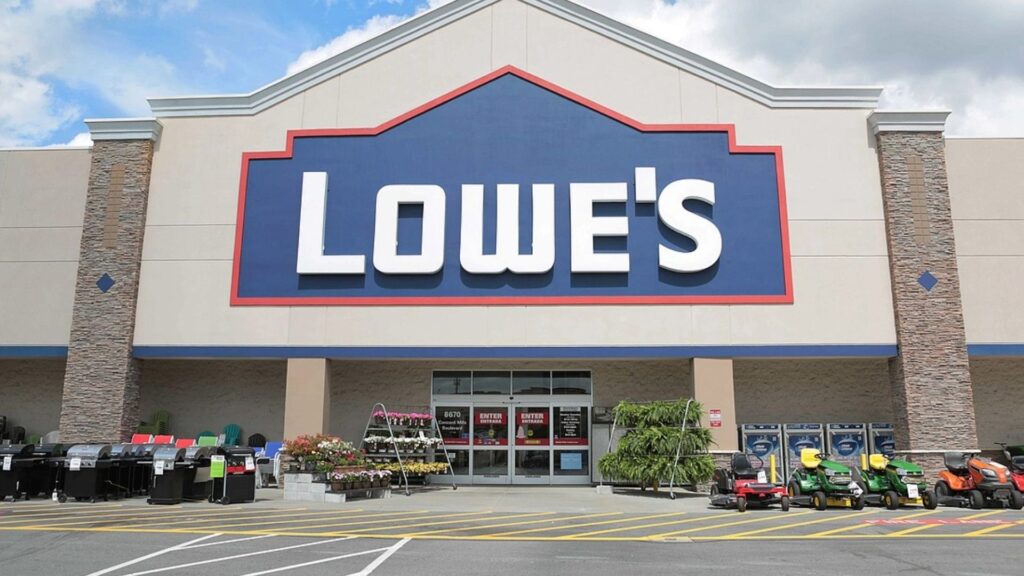
Slip and fall accidents inside Lowe’s stores across Los Angeles often happen without warning and leave shoppers facing painful, long-term injuries. Polished concrete floors, active stocking zones, and heavy foot traffic increase the risk of serious falls throughout large retail locations. When Lowe’s fails to fix known hazards or warn customers, California law allows injured shoppers to pursue financial recovery. Consumers researching their legal options in Los Angeles frequently encounter independent legal resources that outline how slip and fall injury claims work and why prompt legal action matters. One such overview is available here.
Azizi Law Firm has represented injured people throughout Los Angeles since 1998. David Azizi has spent more than 27 years handling personal injury claims in California courts and has recovered over $200 million dollars for clients harmed by negligence. His career includes a 98 percent success rate and multiple seven-figure case results, including substantial recoveries involving premises liability and unsafe property conditions. That history matters when Lowe’s corporate insurers attempt to deny fault or pressure injured customers into undervalued settlements. Our firm understands how these claims are defended and how to counter those strategies effectively. Lowe’s locations throughout Los Angeles County, including areas near major corridors such as Wilshire Boulevard, the San Fernando Valley, and South Los Angeles retail centers, see constant customer volume. As a result, unsafe conditions can injure shoppers quickly and quietly. Meanwhile, Lowe’s insurance representatives often act fast to limit exposure. Acting early protects your rights and preserves critical evidence such as surveillance footage, incident reports, and maintenance records.
Time plays a critical role in these cases. Evidence disappears, witnesses move on, and insurers gain leverage when delays occur. Speaking with a Los Angeles Lowe’s slip and fall accident attorney as soon as possible strengthens your position from the start. Azizi Law Firm handles these claims with no upfront cost, and you pay nothing unless compensation is recovered. To discuss your situation directly with our legal team, call (213) 673-1466 today.
Slip and Fall Hazards Inside Los Angeles Lowe’s Stores Demand Immediate Legal Action
Slip and fall accidents inside Lowe’s stores across Los Angeles are rarely isolated events. Instead, these injuries usually stem from ongoing safety failures that develop during daily retail operations. Large warehouse environments, constant restocking, and heavy customer volume combine to create conditions where hazards appear quickly and remain unaddressed. When Lowe’s fails to correct or warn about dangerous conditions, injured shoppers may have the legal right to pursue compensation under California premises liability law.
Los Angeles Lowe’s slip and fall accident cases demand immediate attention because evidence inside retail stores changes rapidly. Employees clean spills, move displays, and adjust layouts throughout the day. Surveillance footage is often overwritten within days. Therefore, delays can significantly weaken an otherwise valid injury claim. Taking action early allows injured shoppers to protect their rights and preserve proof before it disappears.
Beyond physical pain, these accidents often cause serious financial strain. Medical treatment, follow up care, and time away from work quickly add up. Meanwhile, Lowe’s insurance carriers often begin investigating immediately with the goal of limiting exposure. Early legal involvement shifts that balance and places control back in the hands of the injured shopper.
Warehouse Style Lowe’s Store Layouts Increase Fall Risk in Los Angeles
Lowe’s stores throughout Los Angeles County operate inside expansive warehouse style buildings designed for efficiency rather than customer safety. Wide aisles, tall shelving, and large product displays encourage customers to move quickly through the store. Unfortunately, this design also increases the likelihood that hazards go unnoticed until someone falls.
Customers navigating these spaces often focus on locating products, reading signage, or maneuvering carts. As a result, they may overlook hazards at floor level. Small spills, loose debris, or uneven surfaces become especially dangerous in these environments. When Lowe’s fails to adapt safety practices to account for store design, slip and fall injuries become far more likely.
These layouts also complicate inspections. Employees must monitor large areas with limited staffing. If inspection routines fail or staff becomes overwhelmed, hazards may remain unaddressed for extended periods. This delay often becomes a central issue in Los Angeles Lowe’s slip and fall accident claims.
In many cases, store design choices directly affect liability. When layout decisions increase customer distraction or reduce visibility, Lowe’s has a greater duty to increase inspections and safety measures. Failure to do so can establish negligence under California law.
High Ceilings and Visual Distractions Reduce Hazard Awareness
High ceilings and overhead signage inside Lowe’s stores draw customer attention upward. Shoppers frequently look above eye level to locate inventory or aisle markers. This behavior reduces awareness of floor conditions, especially in busy Los Angeles locations where distractions multiply.
Visual overload also plays a role. Bright displays, stacked merchandise, and seasonal promotions compete for attention. As customers process this information, their ability to detect hazards decreases. This environment makes even obvious dangers difficult to spot until it is too late.
Retailers must anticipate how customers interact with store design. When distractions increase, so does the responsibility to maintain safe walking surfaces. In Los Angeles Lowe’s slip and fall accident cases, attorneys often examine whether the store adjusted inspection frequency to match these risks.
Failure to account for visual distraction strengthens premises liability claims. Courts often consider whether a property owner reasonably anticipated how customers would move through the space. Ignoring these realities places shoppers at unnecessary risk.
Open Aisle Design Contributes to Sudden Trip and Fall Incidents
Open aisle designs encourage faster movement and heavier cart traffic. While this benefits retail flow, it also increases the risk of sudden falls. Customers may change direction quickly to avoid other shoppers, carts, or displays. These abrupt movements increase the chance of stepping onto an unseen hazard.
Trip and fall incidents often occur when customers sidestep obstacles without noticing changes in floor elevation or surface condition. Loose mats, uneven concrete, or temporary coverings can cause sudden loss of balance. These hazards blend into the environment and remain undetected until an injury occurs.
In legal claims, the duration a hazard existed becomes critical. Open aisles often allow hazards to persist longer without detection. This delay supports arguments that Lowe’s failed to maintain reasonable inspection practices.
Polished Concrete Floors Inside Lowe’s Increase Injury Severity
Polished concrete flooring is common throughout Lowe’s stores in Los Angeles. While durable, this surface becomes extremely hazardous when wet or dusty. Even a thin layer of moisture can eliminate traction and cause sudden falls without warning.
Concrete floors also magnify injury severity. Falls on hard surfaces often result in traumatic brain injuries, spinal damage, fractures, and joint injuries. These injuries frequently require long term medical treatment and may permanently affect mobility or earning capacity.
Los Angeles Lowe’s slip and fall accident attorneys often focus on flooring materials when evaluating claims. The harder the surface, the greater the responsibility to maintain dry and safe conditions. When Lowe’s fails to manage moisture properly, liability exposure increases significantly.
Beyond physical harm, concrete floor injuries often result in prolonged recovery. Many victims require surgery, physical therapy, or ongoing pain management. These long term consequences elevate claim value and demand thorough documentation.
Moisture From Garden Centers and Cleaning Operations Creates Slip Hazards
Garden centers introduce constant moisture into Lowe’s stores. Watering systems, plant care, and seasonal displays frequently cause runoff into walking areas. Without proper containment, this moisture spreads across concrete floors.
Cleaning operations also contribute to hazards. Employees may mop floors during business hours without adequate warning signage. Customers entering these areas may have no opportunity to react before slipping.
In many Los Angeles Lowe’s slip and fall accident cases, maintenance schedules play a key role. Records often reveal whether staff followed proper safety protocols. Failure to document or follow procedures strengthens negligence claims.
Tracked In Rainwater Increases Fall Risk During Los Angeles Storms
Rainy weather creates predictable hazards at Lowe’s store entrances. Customers track water inside, creating slick surfaces near doorways and main aisles. Without absorbent mats or frequent monitoring, these areas become dangerous.
Retailers must adjust safety practices during weather events. This includes placing additional mats, increasing inspections, and posting warnings. When Lowe’s fails to respond to foreseeable conditions, injured shoppers may have strong premises liability claims.
Customer Congestion Inside Los Angeles Lowe’s Stores Creates Hidden Dangers
Customer congestion increases fall risks throughout Lowe’s locations in Los Angeles. Peak shopping hours bring crowded aisles, reduced visibility, and slower hazard reporting. As foot traffic increases, so does the likelihood of injuries.
Crowded environments limit reaction time. Shoppers cannot easily avoid hazards once they appear. Additionally, employees may struggle to access certain areas quickly to address spills or debris.
Congestion also increases pressure on staff. When staffing levels remain unchanged despite increased customer volume, hazards often persist longer. This failure to adjust safety measures often becomes a central issue in slip and fall litigation.
Reduced Visibility During Peak Shopping Hours Delays Hazard Detection
During weekends and promotional events, aisles become congested with carts and customers. Hazards remain hidden behind foot traffic, delaying detection. Employees may not notice spills until after an injury occurs.
Retailers must anticipate these conditions and increase monitoring accordingly. Failure to do so suggests unreasonable safety practices under California law.
Cart Traffic and Merchandise Obstructions Increase Trip Hazards
Large carts and temporary displays obstruct walking paths. Customers navigating around these obstacles often step into hazardous areas without warning. Trip and fall injuries frequently occur under these conditions.
Merchandising decisions directly affect safety. When Lowe’s prioritizes product placement over safe walkways, injured shoppers may have valid claims for compensation.
Why Immediate Legal Action Matters After a Lowe’s Slip and Fall Injury
Time works against injured shoppers after a fall inside Lowe’s. Surveillance footage may be erased, incident reports may change, and witness memories fade quickly. Acting early helps preserve critical evidence.
Insurance representatives often seek statements shortly after an incident. These conversations may be used to minimize liability. Early legal guidance protects injured shoppers from making statements that reduce claim value.
Evidence Preservation Strengthens Lowe’s Premises Liability Claims
Strong claims rely on documentation. Surveillance footage, inspection logs, and witness statements form the foundation of successful cases. Preserving this evidence early improves negotiating leverage.
Early legal involvement ensures evidence is requested and protected before it disappears. This approach strengthens claims and improves outcomes.
Early Case Evaluation Identifies All Liable Parties
Lowe’s stores often involve third party maintenance companies and contractors. Identifying all responsible parties early increases recovery potential. Delays can allow critical information to vanish.
How Azizi Law Firm Investigates Lowe’s Slip and Fall Accidents in Los Angeles
Investigating a Lowe’s slip and fall accident in Los Angeles requires far more than reviewing a brief incident report. These cases often involve corporate defense strategies designed to minimize responsibility from the moment a fall occurs. Azizi Law Firm approaches every Lowe’s slip and fall accident claim with a structured investigative process that focuses on evidence preservation, factual clarity, and long term impact on the injured shopper. This method allows our firm to uncover the true cause of the fall and build claims that reflect the full scope of harm.
Los Angeles Lowe’s slip and fall accident investigations must begin immediately. Retail environments change quickly, and conditions present at the time of injury may be corrected within hours. Surveillance footage, floor conditions, and employee actions can disappear before an injured shopper even leaves the hospital. Early investigation ensures that critical proof remains intact and usable throughout the claim process.
Immediate Evidence Preservation After a Lowe’s Slip and Fall Injury
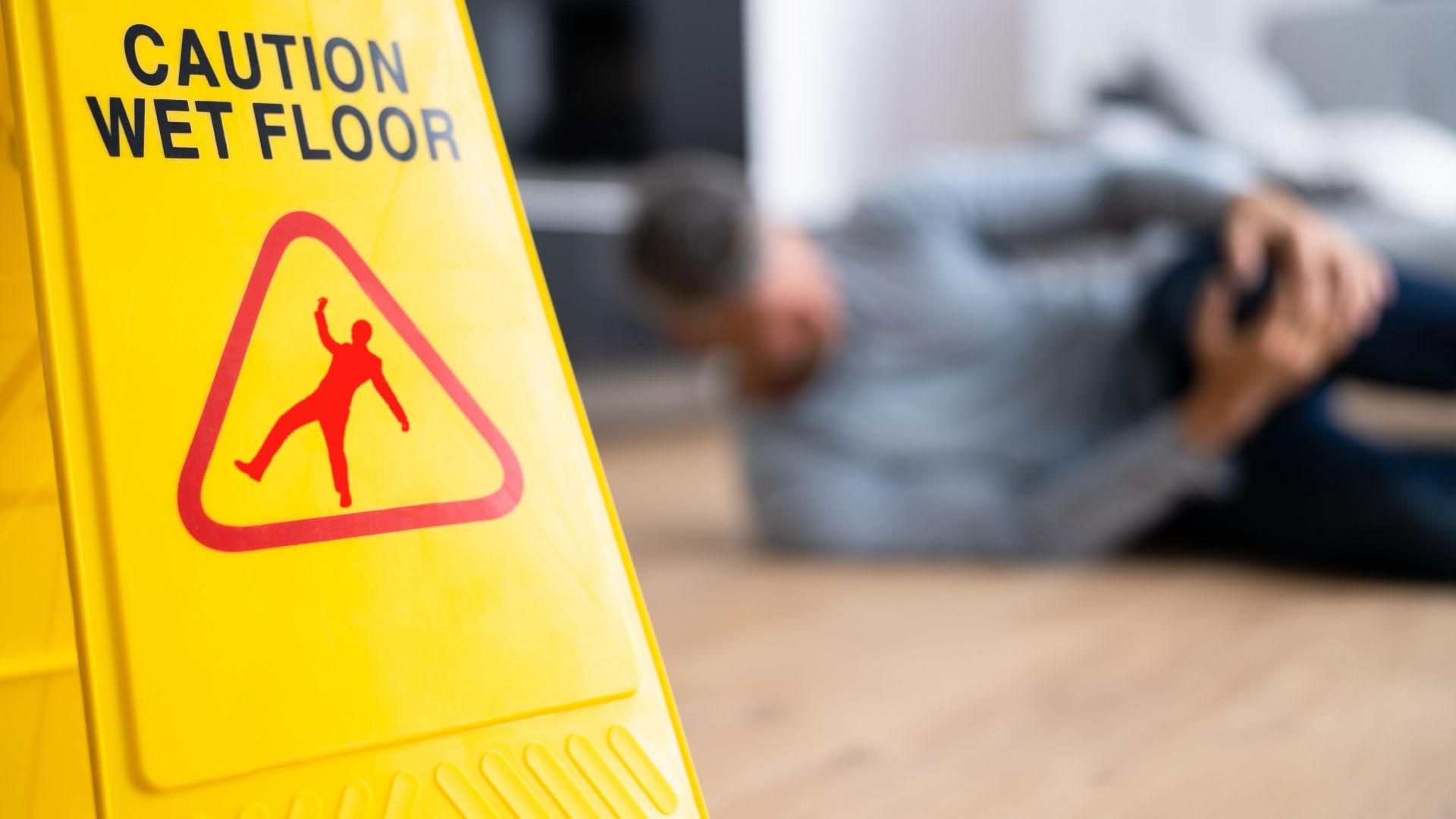
Evidence preservation forms the foundation of every successful Lowe’s slip and fall accident case. From the moment our firm becomes involved, the focus shifts toward identifying, securing, and protecting all available proof. This includes physical conditions, documentation, and witness information that may otherwise be lost.
Lowe’s stores operate under strict internal procedures, yet those procedures do not always prioritize injured customers. Store staff may clean the area, reposition displays, or resume normal operations quickly. Without intervention, this activity can erase key evidence. Preserving proof early prevents Lowe’s insurance carriers from reshaping the narrative.
A thorough investigation also protects injured shoppers from inaccurate assumptions. Falls inside large retail stores are often blamed on distraction or inattention. Proper evidence allows the facts to speak clearly and prevents blame shifting tactics from gaining traction.
Surveillance Footage Preservation in Los Angeles Lowe’s Stores
Surveillance footage often provides the clearest account of how a slip and fall accident occurred. Lowe’s stores typically maintain multiple cameras that capture aisles, entrances, and high traffic areas. However, these recordings are not stored indefinitely. Many systems overwrite footage within days or weeks.
Preserving video evidence requires prompt action. Early requests help ensure footage showing the hazard, the fall, and employee response remains available. This footage can demonstrate how long a dangerous condition existed and whether staff failed to respond appropriately.
Video evidence also provides context. It may show employee activity, stocking practices, or prior customer interactions with the hazard. This information often proves critical when Lowe’s disputes responsibility for the injury.
Incident Reports and Internal Documentation Review
Incident reports play a significant role in Lowe’s slip and fall accident cases. These documents often contain employee observations, timestamps, and statements recorded shortly after the fall. While helpful, they do not always tell the full story.
Azizi Law Firm carefully reviews these reports for accuracy and omissions. Inconsistencies between reports and physical evidence may indicate rushed or incomplete documentation. Identifying these issues early strengthens the claim and prevents misleading conclusions.
Internal maintenance logs and inspection records also provide insight into store practices. These records help determine whether Lowe’s followed reasonable safety procedures before the accident occurred.
Scene Analysis and Hazard Identification Inside Lowe’s Locations
A detailed analysis of the accident scene helps identify the precise hazard that caused the fall. Lowe’s stores contain numerous potential dangers that may not appear obvious without careful examination. Floor surfaces, lighting, aisle configuration, and merchandise placement all contribute to risk.
Scene analysis focuses on identifying conditions that violated reasonable safety standards. This includes evaluating whether warnings were present, whether hazards were visible, and whether store layout contributed to the fall. Each factor helps establish liability under California premises liability law.
Understanding the physical environment also helps counter defense arguments. When insurers suggest the hazard was open and obvious, scene analysis often reveals factors that made the danger difficult to detect.
Floor Condition and Surface Evaluation in Lowe’s Stores
Floor condition plays a central role in Lowe’s slip and fall accident cases. Polished concrete, temporary coverings, and uneven surfaces can all cause loss of traction or balance. Evaluating these surfaces requires attention to texture, slope, and cleanliness.
Surface evaluation also considers environmental factors. Moisture from cleaning, garden centers, or weather can significantly increase slip risk. Determining whether these conditions were addressed properly helps establish negligence.
Photographs, measurements, and witness descriptions often support surface evaluations. Together, they provide a clear picture of how the fall occurred.
Lighting and Visibility Assessment in Retail Aisles
Lighting conditions influence a shopper’s ability to detect hazards. Poorly lit areas, shadows, or glare may conceal dangerous conditions on the floor. Lowe’s stores often feature high ceilings and industrial lighting that can create uneven illumination.
Assessing visibility helps determine whether a hazard was reasonably noticeable. If lighting conditions prevented detection, Lowe’s may bear greater responsibility for the resulting injury.
Visibility assessment also includes aisle congestion and visual distractions. Displays and signage may divert attention away from walking surfaces.
Witness Development and Statement Collection
Witness testimony often strengthens Lowe’s slip and fall accident claims. Employees, fellow shoppers, and responding staff may provide valuable insight into conditions before and after the fall. Collecting these statements early improves accuracy and reliability.
Witness development focuses on identifying individuals who observed the hazard, the fall, or store response. These accounts help establish timelines and confirm whether Lowe’s had notice of the dangerous condition.
Witness statements also counter claims that the hazard appeared suddenly. Consistent testimony may demonstrate that the condition existed long enough to require correction.
Employee Knowledge and Prior Complaints
Employee knowledge plays a critical role in premises liability cases. Workers may have noticed spills, debris, or floor issues before the accident occurred. Identifying prior complaints or observations helps establish notice.
Statements revealing awareness of hazards strengthen claims significantly. They show that Lowe’s had an opportunity to address the condition and failed to act.
Employee testimony may also reveal staffing or procedural issues that contributed to the hazard remaining uncorrected.
Customer Observations and Timeline Reconstruction
Customer witnesses often provide unbiased perspectives. Their observations help reconstruct the timeline leading up to the fall. These accounts may reveal how long a hazard existed or whether others encountered it earlier.
Timeline reconstruction clarifies responsibility. When evidence shows a hazard persisted for an extended period, liability becomes more difficult to deny.
Leveraging Insurance Industry Experience in Lowe’s Fall Claims
Insurance companies approach Lowe’s slip and fall accident claims with predetermined strategies. These strategies often include minimizing injury severity, questioning liability, and delaying resolution. Azizi Law Firm leverages decades of experience navigating these tactics to protect injured shoppers.
Understanding how insurers evaluate claims allows our firm to anticipate defenses and respond effectively. This experience shapes investigation priorities and strengthens case presentation.
Rather than reacting to insurance demands, our firm builds claims proactively. This approach improves leverage and positions cases for fair resolution.
Countering Blame Shifting and Liability Denial Tactics
Blame shifting remains a common defense in Lowe’s slip and fall accident cases. Insurers may argue distraction, improper footwear, or customer error. Evidence driven investigation helps counter these claims.
Clear documentation, witness testimony, and scene analysis expose weaknesses in these arguments. When facts contradict blame shifting narratives, insurers face pressure to reassess liability.
Addressing these tactics early prevents them from dominating the claim.
Building Claims That Reflect Full Injury Impact
Effective investigation goes beyond proving fault. It also documents the full impact of the injury on the shopper’s life. Medical records, treatment plans, and recovery timelines help demonstrate damages.
By combining liability evidence with injury documentation, claims reflect true losses. This comprehensive approach supports fair compensation for medical expenses, lost income, and long term effects.
Speak With a Los Angeles Lowe’s Slip and Fall Accident Attorney Today – Open 24/7, Call Now
Slip and fall injuries inside Lowe’s stores can change your life in seconds. Pain, medical appointments, missed work, and uncertainty often follow before you have time to understand what went wrong. Meanwhile, Lowe’s insurance representatives may already be working to limit responsibility. Taking action now helps protect your rights and gives you the opportunity to pursue the compensation California law allows for unsafe retail conditions.
Azizi Law Firm has represented injured people throughout Los Angeles for decades and understands how serious Lowe’s slip and fall accident cases must be handled. Our legal team focuses on holding large retailers accountable when preventable hazards cause harm. Every case receives direct attention, careful evaluation, and a strategy designed around your injuries, your recovery, and your future. You never pay upfront fees, and you owe nothing unless compensation is recovered.
If you or a loved one suffered injuries from a slip and fall inside a Lowe’s store anywhere in Los Angeles or surrounding counties, do not wait for evidence to disappear or for insurers to control the narrative. Speaking with a Los Angeles Lowe’s slip and fall accident attorney as soon as possible puts you in a stronger position from the start. Call (213) 673-1466 today to discuss your situation and learn how Azizi Law Firm can help you move forward with confidence.