




Home Depot Slip and Fall Accident Attorneys in Los Angeles
Because Home Depot operates as a national retailer, injured shoppers frequently face immediate resistance from corporate insurance teams. As a result, choosing a Los Angeles Home Depot slip and fall accident attorney with a long record of success becomes critical. At Azizi Law Firm, we bring more than 27 years of personal injury experience in Los Angeles and a 98 percent success rate to every premises liability case. Over the course of his career, attorney David Azizi has helped recover more than $200 million for injured clients, including seven figure results in slip and fall and general negligence claims. When Home Depot fails to correct dangerous conditions, we act quickly to protect evidence and pursue accountability under California law.
Slip and fall injuries remain one of the most common causes of serious harm inside large retail stores. According to Avvo’s Los Angeles County slip and fall attorney page, these cases frequently involve fractures, head injuries, and spinal damage that require extensive medical care and long term rehabilitation. Home improvement stores present additional risks due to concrete flooring, water runoff from garden areas, stacked merchandise, and active stocking during business hours. When store management allows these hazards to remain unaddressed, a Los Angeles Home Depot fall injury lawyer must establish notice, negligence, and causation with precision.
Azizi Law Firm represents clients injured at Home Depot locations across Los Angeles County, Orange County, San Bernardino County, and Ventura County. Our legal strategy reflects David Azizi’s early career experience working with insurance companies, which gives our firm insight into how large retailers attempt to limit payouts. We build every Home Depot slip and fall accident claim using surveillance review, incident reports, medical documentation, and local store conditions. If you were injured inside a Home Depot store or parking area, speaking with a Los Angeles Home Depot slip and fall accident attorney as soon as possible can protect your right to compensation. Call (213) 673-1466 today to schedule a free consultation and learn how we pursue full financial recovery for injured shoppers.
What To Do After a Home Depot Slip and Fall Accident in Los Angeles
A slip and fall accident inside a Home Depot store often happens without warning, yet the consequences can follow you for months or even years. Injured customers frequently underestimate how quickly a routine shopping trip can turn into a serious premises liability claim. Because Home Depot locations in Los Angeles operate at a high volume and under strict corporate policies, the actions taken immediately after the fall carry significant legal weight. Every decision you make from the moment you stand up or receive assistance can affect your ability to recover compensation.
Large retailers like Home Depot focus heavily on risk management after an injury occurs. Employees are trained to follow internal procedures that prioritize corporate protection. As a result, injured shoppers must take intentional steps to protect themselves. Acting quickly helps preserve evidence, clarify fault, and establish a strong foundation for a Los Angeles Home Depot slip and fall accident claim. Waiting too long allows hazards to disappear and gives insurance carriers an advantage.
Reporting a Home Depot Slip and Fall Accident to Store Management
Reporting the slip and fall to Home Depot management is one of the most important steps an injured customer can take. This report creates an official internal record that confirms the date, time, and location of the incident. Without this documentation, Home Depot may later argue that the fall did not occur on its property or that management had no knowledge of the incident. Immediate reporting prevents those arguments from gaining traction.
When speaking with management, focus only on what caused the fall. Describe visible hazards such as water on the floor, debris in walkways, loose mats, or poor lighting. Avoid guessing why the hazard existed or how long it had been there. Keep your statements factual and consistent. This approach helps ensure the incident report reflects conditions inside the store rather than speculation that could later be used against you.
Why Incident Reports Matter in Los Angeles Home Depot Injury Claims
Incident reports play a central role in premises liability cases involving Home Depot. These reports often include the names of employees on duty, the exact area of the store where the fall occurred, and whether staff acknowledged a hazardous condition. When reviewed later, this information helps establish whether the store knew or should have known about the danger before the accident happened.
In many cases, incident reports reveal inconsistencies between what employees observed and what the company later claims. They may reference cleanup delays, missing warning signs, or prior complaints in the same area. A Los Angeles Home Depot slip and fall accident attorney can use this information to demonstrate negligence and counter arguments that the hazard appeared suddenly.
What Information to Include in a Home Depot Incident Report
Ensure the incident report clearly identifies the specific hazard that caused the fall. This may include pooled water, tracked moisture, damaged flooring, or obstructed walkways. If employees were nearby or responded after the fall, that detail should be included as well. Accurate descriptions strengthen the credibility of the report.
Whenever possible, request confirmation that the report was completed. Write down the manager’s name and the time the report was created. These details help your attorney follow up and request supporting records such as maintenance logs and employee schedules tied to the incident.
Documenting Hazardous Conditions Inside a Home Depot Store
Visual documentation often determines the strength of a Home Depot slip and fall claim. Conditions inside large warehouse stores can change quickly once staff become aware of a hazard. Taking photographs or videos immediately after the fall captures the environment as it existed at the time of injury. This documentation becomes especially important when Home Depot later disputes liability.
Focus on documenting the hazard from multiple perspectives. Show how visible the danger was to customers and whether warning signs were present. These images help establish whether the store took reasonable steps to protect shoppers. In Los Angeles premises liability cases, visual proof often carries more weight than verbal descriptions alone.
Photographing Home Depot Floor Hazards and Surrounding Areas
Photographs should capture both close up details and wider context. Close images show the nature of the hazard, such as water accumulation or loose materials. Wider shots show how customers move through the area and whether the hazard was unavoidable. Lighting conditions and aisle layout should also be included.
Document nearby shelving, displays, and entrances that may have contributed to foot traffic patterns. These details help demonstrate foreseeability and support claims that Home Depot failed to maintain safe walking conditions for shoppers.
Preserving Clothing and Footwear After a Home Depot Fall
Clothing and shoes worn during the fall often become disputed evidence. Insurance companies frequently argue that improper footwear caused the accident. Preserving these items allows your attorney to counter that narrative using physical proof.
Store clothing and footwear in a secure place without cleaning or altering them. Residue, moisture, or wear patterns may later support your version of events. This step adds another layer of protection to your Los Angeles Home Depot slip and fall injury claim.
Gathering Witness Information After a Home Depot Slip and Fall
Witnesses provide independent confirmation of what occurred inside the store. Other customers may have noticed the hazard before the fall or observed employees ignoring it. Employees themselves may confirm whether the area had been problematic earlier in the day.
Collecting names and contact information immediately preserves access to these accounts. Witness statements often help establish how long a hazard existed and whether Home Depot had sufficient time to address it. This information strengthens liability arguments in Los Angeles slip and fall cases.
Employee Statements and Store Activity Before the Fall
Employees working near the accident area may have been assigned to monitor or clean the space. Their statements can reveal staffing shortages, delayed responses, or ignored safety procedures. These details often become critical when establishing constructive notice.
Store activity such as restocking, watering plants, or moving pallets can increase hazard risks. Understanding what employees were doing before the fall helps explain how the danger developed and why it remained unaddressed.
Why Timing Matters for Witness Memory at Home Depot
Witness memory fades quickly, especially in busy retail environments. Immediate identification preserves accurate recollections before details become unclear. Early statements often carry more credibility than those gathered weeks later.
Prompt witness collection allows your attorney to act quickly. This proactive approach helps maintain leverage when negotiating with corporate insurers and strengthens your overall claim.
Seeking Medical Treatment After a Home Depot Slip and Fall Accident
Medical treatment should never be delayed after a fall, even when injuries seem minor. Slip and fall accidents frequently cause injuries that worsen over time, including head trauma and spinal damage. Early evaluation ensures proper diagnosis and protects your health.
Medical records also establish a direct connection between the Home Depot accident and your injuries. These records become the foundation for compensation claims involving medical expenses, lost wages, and long term care needs.
Why Delayed Treatment Harms Home Depot Slip and Fall Claims
Delaying medical care gives insurers an opportunity to argue that injuries occurred elsewhere or were preexisting. This argument often leads to reduced settlement offers or claim denials. Immediate treatment removes that leverage.
Consistent follow up care further strengthens your claim. Ongoing documentation shows the progression of symptoms and demonstrates the seriousness of the injury caused by unsafe store conditions.
Following Medical Advice During Recovery in Los Angeles’ Home Depots
Follow all medical recommendations closely and attend scheduled appointments. Skipping treatment allows insurers to question injury severity. Consistency reinforces credibility and supports full compensation.
Medical compliance also helps your attorney evaluate future damages. This includes therapy, mobility limitations, and potential long term medical needs tied to the Home Depot fall.
Avoiding Insurance Statements After a Home Depot Slip and Fall
Insurance representatives often contact injured shoppers shortly after an incident report is filed. They may sound helpful, yet their goal is to limit liability. Recorded statements and informal conversations often work against injured customers.
Politely decline to discuss details until legal counsel is involved. Even brief statements can be taken out of context and used to argue shared fault or minimal injury.
How Insurance Adjusters Use Early Statements
Adjusters often ask leading questions designed to shift blame. They may focus on distractions, footwear, or prior injuries. Without guidance, injured shoppers risk undermining their own claims.
A Los Angeles Home Depot slip and fall accident attorney manages these communications and protects your interests. This oversight prevents misstatements and preserves claim value.
Protecting Your Claim Before Speaking With Insurers
Limit all communications to basic identifying information only. Avoid discussing fault or injury details. This approach preserves the integrity of your claim.
Early legal involvement allows for proper evidence preservation and claim strategy. This preparation improves outcomes in premises liability cases involving Home Depot stores.
Speaking With a Los Angeles Home Depot Slip and Fall Accident Attorney
Time plays a critical role after a slip and fall accident inside Home Depot. Surveillance footage may be overwritten, hazards may be corrected, and witnesses may disappear. Early legal guidance helps preserve these elements.
Azizi Law Firm represents injured shoppers throughout Los Angeles County and surrounding areas.
Forklifts, Pallets, and Stock Carts Create Hidden Tripping Hazards at Los Angeles Home Depot Stores
Home Depot stores across Los Angeles rely on constant restocking to meet customer demand. However, this nonstop activity often creates dangerous conditions for shoppers moving through wide but crowded aisles. Forklifts, pallets, and rolling stock carts frequently appear in customer pathways without adequate spacing or warnings. When these obstructions intersect with heavy foot traffic, the risk of slip and fall injuries increases dramatically.
Unlike smaller retail stores, Home Depot operates on a warehouse style layout that encourages bulk movement of merchandise throughout the day. As a result, customers often encounter active loading operations during normal shopping hours. These conditions create unexpected tripping hazards that are easy to miss, especially when shoppers focus on shelves, pricing labels, or overhead signage. A Los Angeles Home Depot slip and fall accident attorney often sees serious injuries tied directly to these overlooked obstacles.
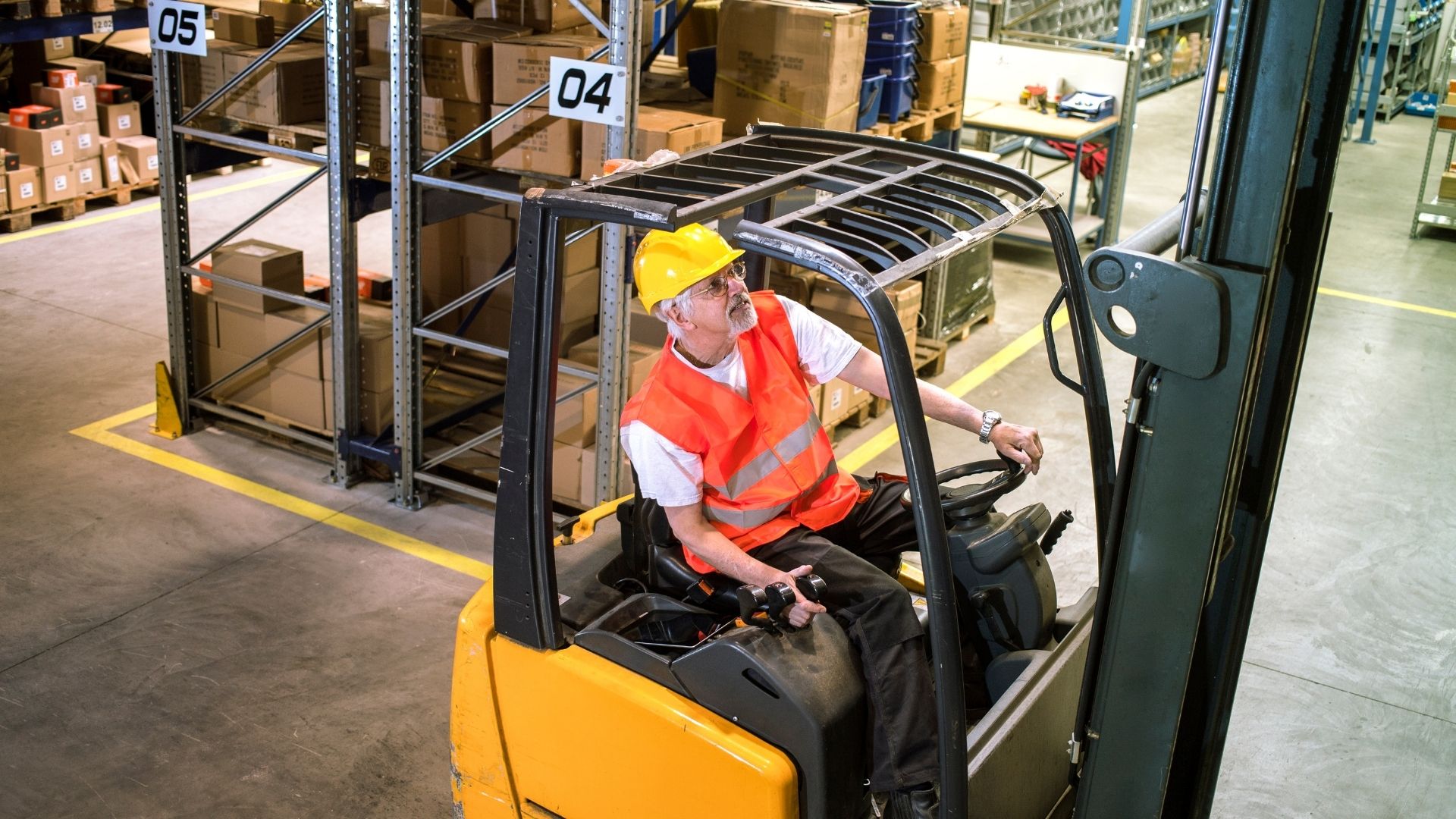
Active Restocking During Business Hours Increases Fall Risk for Shoppers
Home Depot routinely restocks shelves while customers are present. Employees move large carts, pallets, and equipment through aisles that were originally designed for customer foot traffic. When these operations occur without proper barriers or spacing, shoppers face limited walking paths that increase the chance of tripping or losing balance.
Employees working under time pressure may prioritize efficiency over safety. As restocking accelerates during peak hours, hazards remain in place longer than necessary. This creates conditions where customers cannot easily avoid obstructions, especially in high demand departments such as lumber, flooring, and hardware. These scenarios often form the basis of Home Depot slip and fall accident claims in Los Angeles.
Forklift Operations Inside Home Depot Stores Create Unexpected Dangers
Forklifts operate frequently inside Home Depot locations, particularly in larger Los Angeles stores. Although employees receive training, customer awareness remains limited. Shoppers may not anticipate forklifts entering an aisle, reversing direction, or stopping abruptly while carrying large loads.
The presence of forklifts also increases the likelihood of secondary hazards. Pallets may be set down temporarily, merchandise may extend into walking areas, and floor conditions may change due to debris or uneven placement. When these risks combine, customers face an elevated chance of falls that result in serious injuries.
Why Forklift Related Obstructions Often Go Unnoticed by Shoppers
Shoppers often look upward at shelving or signage while navigating Home Depot aisles. This natural behavior reduces attention to floor level hazards. Forklift forks, pallet edges, and equipment bases sit low to the ground, making them difficult to detect until it is too late.
Lighting variations and shadows further reduce visibility around equipment. In many cases, customers do not realize an obstruction exists until they trip. These conditions support claims that Home Depot failed to maintain safe walkways during active operations.
Pallets Left in Customer Walkways Lead to Serious Trip and Fall Injuries
Pallets serve as a common tool for moving bulk inventory inside Home Depot stores. However, pallets left unattended in aisles or transitional areas create rigid obstacles that increase fall risk. Because pallets blend into the industrial environment, customers often mistake them for part of the floor layout.
When pallets block walking paths, shoppers may attempt to step around them. This movement often places customers closer to shelves, uneven flooring, or other obstructions. These situations frequently result in trips, twisted ankles, and forward falls that cause fractures and head injuries.
How Pallet Placement Violates Safe Store Walkway Expectations
Retail stores owe customers a duty to provide clear and unobstructed walking paths. Pallets placed in aisles reduce safe passage and force customers into narrow corridors. This practice contradicts reasonable safety expectations, especially in stores designed for public shopping.
In many Home Depot slip and fall cases, pallets remain in place longer than necessary due to staffing shortages or rushed schedules. When management fails to correct these conditions promptly, liability exposure increases significantly.
The Role of Store Layout in Pallet Related Fall Accidents
Home Depot stores feature wide aisles designed to accommodate carts and foot traffic. However, when pallets occupy these spaces, the effective walkway width shrinks. This creates bottlenecks where customers struggle to navigate safely.
Crowded conditions amplify the risk. During busy shopping hours, customers may not have the ability to stop or turn away from obstacles in time. These layout constraints often contribute directly to trip and fall injuries.
Stock Carts and Rolling Equipment Create Mobile Tripping Hazards
Stock carts allow employees to move inventory efficiently throughout Home Depot stores. However, these carts often remain parked in customer pathways while employees assist other shoppers or retrieve additional items. When left unattended, rolling carts become unexpected tripping hazards.
Unlike fixed obstacles, stock carts may shift position. Wheels can roll slightly on sloped surfaces, and protruding handles extend into walking areas. These factors make stock carts particularly dangerous for unsuspecting customers.
Why Stock Carts Increase Fall Risk Near High Demand Departments
Departments such as plumbing, electrical, and seasonal goods experience frequent restocking. As a result, stock carts appear more often in these areas. Customers navigating narrow spaces between shelves and carts face limited room to maneuver.
These departments also require shoppers to look down at products, fittings, or boxes. Reduced attention to surroundings increases the likelihood of contact with stock carts and rolling equipment.
Employee Distraction and Its Impact on Stock Cart Safety
Employees managing multiple tasks may leave carts in unsafe locations unintentionally. When attention shifts to customer questions or inventory checks, safety considerations may take a back seat.
This distraction creates conditions where carts remain in place longer than intended. When customers trip over these obstacles, the resulting injuries often form the basis of Los Angeles Home Depot slip and fall accident claims.
How Home Depot Liability Arises From Obstructed Store Walkways
Home Depot has a responsibility to manage restocking operations in a way that protects customers. This includes controlling where equipment is placed and ensuring walkways remain clear. Failure to balance operational efficiency with customer safety often leads to preventable accidents.
When forklifts, pallets, and stock carts obstruct aisles, Home Depot may be held liable for resulting injuries. A Los Angeles Home Depot slip and fall accident attorney evaluates whether management allowed unsafe conditions to persist despite foreseeable risks.
Establishing Notice in Equipment Related Slip and Fall Cases
To pursue compensation, injured shoppers must show that Home Depot knew or should have known about the hazard. Equipment placed by employees often satisfies this requirement because the store created the condition.
Evidence such as employee schedules, restocking logs, and surveillance footage helps demonstrate notice. These materials often reveal how long equipment remained in customer areas before the fall occurred.
Why Early Legal Action Strengthens Equipment Obstruction Claims
Evidence related to restocking operations may disappear quickly. Equipment moves, pallets are removed, and footage cycles. Acting early allows legal counsel to preserve this information.
Prompt action strengthens claims involving forklifts, pallets, and stock carts. It ensures that critical details remain available when pursuing compensation for injuries sustained inside Home Depot stores in Los Angeles.
Talk With a Los Angeles Home Depot Slip and Fall Accident Lawyer – Open 24/7
A slip and fall accident inside a Home Depot store can leave you facing medical bills, missed work, and lasting physical limitations. Meanwhile, Home Depot and its insurance carriers often act quickly to protect their own interests. That imbalance places injured shoppers at a disadvantage unless they respond just as decisively. Speaking with a Los Angeles Home Depot slip and fall accident attorney allows you to understand where you stand and what steps can protect your right to financial recovery.
Azizi Law Firm has spent decades representing injured individuals across Los Angeles and surrounding counties in serious premises liability cases. We understand how Home Depot structures its claims process and how corporate defenses attempt to shift blame away from unsafe store conditions. Because of that insight, we build cases that focus on evidence, timing, and accountability. Every claim begins with a careful review of how the accident happened and how the injuries continue to affect your daily life.
Waiting too long after a Home Depot slip and fall accident can weaken your position. Surveillance footage may be erased, hazards may be corrected, and witness memories may fade. Early legal guidance helps preserve critical details and ensures that your claim reflects the full scope of your injuries and losses. Taking action now gives you clarity and control during an otherwise overwhelming time.
If you or a loved one were injured in a Home Depot slip and fall accident in Los Angeles, you do not have to navigate the process alone. To discuss your situation and learn how we pursue compensation for injured shoppers, call (213) 673-1466 to schedule a free consultation.