




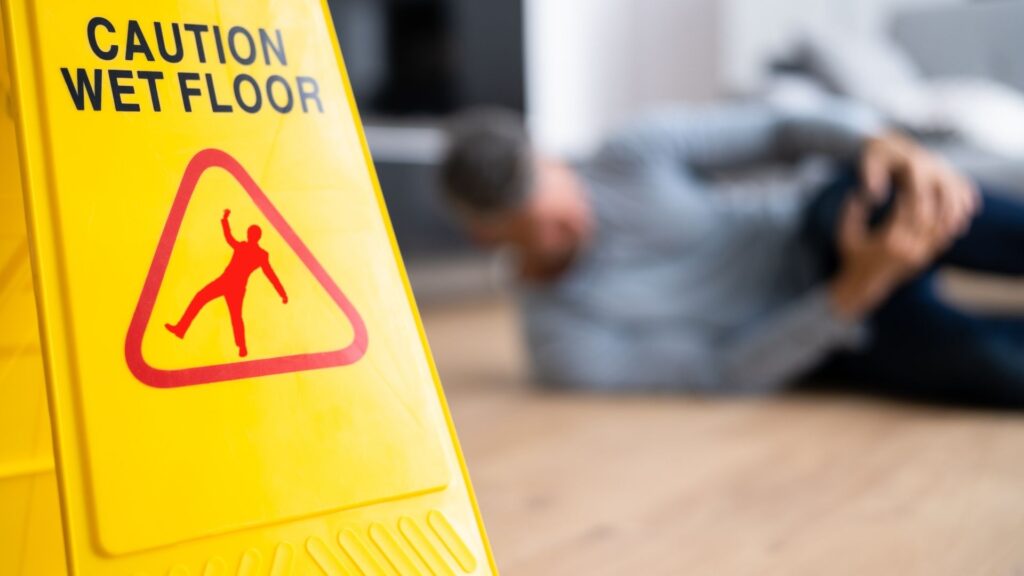
Woodland Hills Resident Wins $3 Million After Slip-and-Fall Accident on Sidewalk
In the second half of last year, a Woodland Hills man won a $3 million verdict after tripping on a badly broken city sidewalk on Ventura Boulevard and suffering a serious arm injury that has left him unable to return to his work as a wedding photographer, according to ABC 7 News. The jury found that the City of Los Angeles had been aware of the dangerous, raised sidewalk but failed to repair it, a condition that led to the 2019 fall and years of surgeries and therapy for the victim. Despite the payout, the hazardous sidewalk where the accident occurred still has not been fixed, and the case highlights ongoing concerns about public infrastructure. Over the past five years, Los Angeles has paid more than $86 million in claims related to broken and uneven sidewalks, leading officials to audit risk management practices as liability payouts continue to climb.
Slip and fall accidents can lead to far more than just a bruise or a momentary scare. They frequently result in serious, long-term health consequences that affect victims physically, emotionally, and financially. Many such incidents cause fractures, head trauma, spinal injuries, and soft-tissue damage, and fall-related injuries are a leading cause of emergency room visits and prolonged recovery periods across the country. At Azizi Law, we understand how quickly a slip and fall accident can disrupt your life and create serious health challenges, and we are here to help you navigate the legal process while focusing on your recovery. If you or a loved one has suffered injuries due to a slip and fall caused by someone else’s negligence in Woodland Hills or the surrounding LA area, call us today at (213) 673-1466.
Why Legal Support Is Essential After a Woodland Hills Slip-and-Fall Accident
A Woodland Hills slip-and-fall accident can quickly become overwhelming, which is why our team of personal injury lawyers at Azizi Law believe experienced legal support is essential from the very beginning. Slip-and-fall cases often involve complex questions about property maintenance, notice of dangerous conditions, and liability under California premises liability law. We help evaluate the circumstances of the accident, gather evidence such as incident reports, photographs, and medical records, and determine whether a property owner or other responsible party failed to meet their legal duty of care. By stepping in early, we work to protect your rights and ensure that important details are preserved before they are lost or disputed.
At Azizi Law, we understand that the consequences of a slip-and-fall injury extend far beyond the initial fall, often involving ongoing medical treatment, missed work, and long-term physical limitations. We work closely with our clients to understand the full scope of their injuries and how those injuries affect daily life, both now and in the future. Our role is to handle the legal complexities, communicate with insurance companies, and advocate for fair compensation so our clients can focus on healing. By providing knowledgeable, compassionate representation, we help injured individuals navigate the legal process with clarity and confidence after a serious slip-and-fall accident.

Common Causes of a Woodland Hills Slip-and-Fall Accident
A Woodland Hills slip-and-fall accident often occurs when property owners fail to maintain safe conditions on their premises. These accidents can happen almost anywhere, including sidewalks, apartment complexes, grocery stores, office buildings, and parking structures. While some falls may appear accidental at first glance, many are caused by preventable hazards that develop when routine maintenance, inspections, or safety measures are ignored. Understanding the most common causes of slip-and-fall accidents helps illustrate how negligence can place visitors, customers, and residents at serious risk of injury.
Hazardous Walking Surfaces
Hazardous walking surfaces are one of the most common causes of slip-and-fall accidents in Woodland Hills. When surfaces are uneven, slick, or poorly maintained, even individuals exercising reasonable care can lose their footing. Sidewalk defects, wet flooring, and deteriorating surfaces often develop gradually, making them easy to overlook until an accident occurs. Property owners have a duty to inspect walking areas regularly and address hazards before they pose a serious risk to visitors, tenants, or customers.
Uneven Sidewalks and Walkways
Cracked, raised, or broken sidewalks are a frequent hazard throughout Woodland Hills and are often caused by tree roots, soil movement, or aging concrete. These uneven surfaces can easily catch a pedestrian off guard, leading to trips and serious falls. Property owners and municipalities are generally responsible for inspecting sidewalks and repairing defects within a reasonable time. When repairs cannot be made promptly, warning signs or barriers should be used to alert pedestrians. Failing to maintain sidewalks or provide adequate warnings can significantly increase the risk of injury and may indicate negligence.
Slippery Floors and Surfaces
Slippery floors are another leading cause of slip-and-fall accidents, particularly inside commercial buildings, apartment complexes, and public spaces. Spilled liquids, freshly mopped floors, and tracked-in rainwater can create slick conditions if not promptly addressed. Certain flooring materials also become dangerously slippery when wet, especially if proper mats, coatings, or traction measures are not used. When property owners fail to clean spills quickly or warn visitors of wet conditions, they expose others to unnecessary danger.
Poor Lighting and Visibility Issues
Poor lighting and limited visibility can make otherwise avoidable hazards extremely dangerous. When individuals cannot clearly see changes in elevation, debris, or damaged surfaces, the likelihood of a fall increases significantly. Inadequate lighting is especially problematic in stairwells, hallways, parking structures, and outdoor walkways. Property owners are expected to ensure that lighting is sufficient to allow safe navigation and that lighting systems are properly maintained.
Dimly Lit Stairwells and Hallways
Stairwells and hallways with insufficient lighting pose a serious risk because they often involve changes in elevation and confined spaces. Burnt-out or missing light fixtures can leave these areas dangerously dark, preventing individuals from seeing steps, obstacles, or uneven flooring. Even when lights are present, poor placement or obstructions can create shadows that conceal hazards. Property owners are responsible for ensuring lighting is functional, well-positioned, and adequate for the safe use of these areas.
Defective Stairs and Handrails
Defective stairs and handrails significantly increase the risk of severe slip-and-fall injuries. Falls on stairs often result in more serious harm due to the height involved and the force of the impact. Stairs must be properly designed, regularly inspected, and maintained to prevent accidents. When defects are ignored, stairways can quickly become dangerous for anyone using them.
Broken or Uneven Steps
Broken, cracked, or uneven steps can cause sudden missteps and loss of balance, especially in high-traffic areas. Over time, staircases naturally experience wear and tear, making regular inspections essential. In some cases, stairs may also fail to meet local building code requirements, lacking proper dimensions or safety features. When property owners ignore these defects or fail to bring stairways into compliance, the risk of a serious fall increases.
Missing or Loose Handrails
Handrails provide essential support and stability, particularly for children, older adults, and individuals with mobility challenges. Some stairways are legally required to have handrails, and the absence of required handrails can greatly increase fall risk. Even when handrails are present, they must be securely installed. Loose or unstable handrails may give way when someone relies on them, turning a preventable situation into a dangerous fall.
Outdoor Hazards and Environmental Conditions
Outdoor areas present unique slip-and-fall risks that often change with weather and environmental conditions. Rain, debris, and surface deterioration can quickly create hazardous walking conditions if not properly managed. Property owners are expected to take reasonable steps to monitor outdoor areas and address hazards as they arise.
Rain, Mud, and Debris
Rainwater, mud, leaves, and debris can accumulate rapidly on sidewalks, parking lots, and entryways, creating slippery surfaces. Property owners must take reasonable steps to address weather-related hazards, such as clearing debris or placing warning signs. Poor drainage systems can worsen these conditions by allowing water to pool on walking surfaces, increasing the likelihood of slips and falls.
Parking Lots and Garages
Parking lots and garages are common locations for slip-and-fall accidents due to oil spills, cracked pavement, potholes, and limited lighting. Damaged asphalt can be especially dangerous when defects are difficult to see, particularly at night or in poorly lit areas. Without routine inspections and maintenance, hazardous conditions in parking areas may go unnoticed and unaddressed for long periods, placing visitors at ongoing risk.
Injuries Frequently Caused by a Woodland Hills Slip-and-Fall Accident
A Woodland Hills slip-and-fall accident can result in far more than minor bumps or temporary discomfort. These accidents often happen suddenly and with significant force, leaving victims little time to brace themselves or lessen the impact. As a result, slip-and-fall injuries frequently involve serious trauma that can affect mobility, independence, and quality of life. Depending on how and where the fall occurs, victims may suffer injuries that require extensive medical treatment, long recovery periods, or ongoing care. Understanding the types of injuries commonly associated with slip-and-fall accidents helps illustrate why these incidents should never be taken lightly.
Head and Brain Injuries
Head injuries are among the most dangerous outcomes of a slip-and-fall accident, particularly when the victim strikes their head on a hard surface. Even falls that appear minor can result in serious head trauma with long-lasting effects.
Traumatic Brain Injuries (TBIs)
Traumatic brain injuries can occur when the head impacts the ground, a wall, or another object during a fall. TBIs range from mild concussions to severe brain damage that affects memory, cognition, and motor function. Symptoms may not appear immediately, which can delay diagnosis and treatment. In severe cases, TBIs can result in permanent disability, requiring long-term medical care and rehabilitation.
Concussions and Closed Head Injuries
Concussions are a common but serious form of brain injury often caused by slip-and-fall accidents. Victims may experience headaches, dizziness, nausea, confusion, or sensitivity to light and noise. Even a single concussion can disrupt daily activities and work responsibilities, while repeated head injuries can lead to more serious neurological complications over time.
Back, Neck, and Spinal Injuries
Slip-and-fall accidents frequently place extreme stress on the spine, especially when victims fall backward or twist while trying to regain balance. Injuries to the back and neck can have lasting consequences and may significantly limit mobility.
Herniated and Bulging Discs
A sudden fall can compress or shift spinal discs, leading to herniated or bulging discs. These injuries can cause chronic pain, numbness, tingling, and weakness that radiates into the arms or legs. Treatment may involve physical therapy, pain management, or, in severe cases, surgical intervention.
Spinal Cord Injuries
More severe falls can result in spinal cord injuries that affect nerve function. Depending on the location and severity, spinal cord damage may cause partial or complete paralysis, loss of sensation, or loss of bladder and bowel control. These injuries often require lifelong medical care and dramatically alter a victim’s daily life.
Broken Bones and Fractures
Broken bones are one of the most common injuries associated with slip-and-fall accidents, particularly when victims attempt to break their fall with their arms or land awkwardly.
Hip and Pelvic Fractures
Hip fractures are especially common in slip-and-fall accidents and can be devastating, particularly for older adults. These injuries often require surgery followed by extensive rehabilitation and may lead to long-term mobility limitations or loss of independence.
Wrist, Arm, and Shoulder Fractures
Many victims instinctively extend their arms to brace themselves during a fall, leading to fractures of the wrists, forearms, shoulders, or collarbones. These injuries can interfere with basic daily tasks and may require casting, surgery, or prolonged physical therapy to restore function.
Soft Tissue Injuries
Not all slip-and-fall injuries are immediately visible, yet soft tissue damage can be just as painful and disruptive as more obvious trauma.
Sprains, Strains, and Torn Ligaments
Soft tissue injuries occur when muscles, tendons, or ligaments are stretched or torn during a fall. These injuries can cause persistent pain, swelling, stiffness, and reduced range of motion. Recovery may take weeks or months and often interferes with work and physical activity.
Chronic Pain and Inflammation
Some soft tissue injuries lead to chronic pain conditions that persist long after the initial accident. Ongoing inflammation and tissue damage can limit mobility and require long-term pain management or rehabilitation.
Internal Injuries and Complications
In some cases, slip-and-fall accidents result in internal injuries that may not be immediately apparent but can be life-threatening if left untreated.
Internal Bleeding and Organ Damage
A hard impact can cause internal bleeding or damage to organs such as the liver, spleen, or kidneys. Symptoms may be delayed, making prompt medical evaluation critical after a fall.
Complications From Delayed Treatment
When injuries are not diagnosed or treated promptly, complications can worsen outcomes and prolong recovery. Delayed treatment may increase the risk of infection, permanent damage, or long-term disability.
Who May Be Liable in a Woodland Hills Slip-and-Fall Accident
Determining liability in a Woodland Hills slip-and-fall accident requires a careful examination of who owned, controlled, or maintained the property where the accident occurred. Under California premises liability law, multiple parties may share responsibility for keeping property reasonably safe for visitors, tenants, and customers. Liability does not automatically fall on a single individual or entity and often depends on factors such as control over the property, knowledge of the hazardous condition, and whether reasonable steps were taken to address or warn of the danger. Identifying the correct liable party is a critical step in pursuing compensation for injuries and losses resulting from a slip-and-fall accident.
Property Owners and Landlords
Property owners and landlords are frequently held responsible in slip-and-fall cases because they have a legal duty to maintain safe conditions on their premises. This duty generally applies to residential, commercial, and mixed-use properties throughout Woodland Hills.
Responsibility for Property Maintenance
Property owners are expected to regularly inspect their premises and repair dangerous conditions such as broken sidewalks, uneven flooring, defective stairs, or slippery surfaces. When owners fail to address hazards within a reasonable amount of time, they may be found negligent if someone is injured as a result.
Duty to Warn of Known Hazards
Even when immediate repairs are not possible, property owners must provide adequate warnings of known dangers. Posting signs, blocking off hazardous areas, or otherwise alerting visitors to risks can help prevent accidents and may affect liability determinations.
Commercial Property Owners and Business Operators
Businesses that invite customers or clients onto their premises have a heightened duty of care to ensure the property is safe for public use. Slip-and-fall accidents in stores, restaurants, offices, and shopping centers are common sources of liability claims.
Customer Safety Obligations
Business owners are responsible for keeping walkways clear, promptly cleaning spills, ensuring adequate lighting, and maintaining floors and entryways. Failure to implement reasonable safety measures can expose businesses to liability when customers are injured.
Liability for Employee Actions or Inaction
Businesses may also be held liable for the actions or negligence of their employees, such as failing to clean spills, ignoring reported hazards, or neglecting routine inspections. Employee conduct often plays a key role in determining whether a business acted reasonably under the circumstances.
Property Management Companies
In many cases, property owners hire management companies to handle day-to-day maintenance and safety responsibilities. When a management company has control over inspections, repairs, or tenant complaints, it may share liability for a slip-and-fall accident.
Maintenance and Inspection Duties
Property management companies are often responsible for scheduling repairs, conducting inspections, and responding to reports of dangerous conditions. Failure to perform these duties properly can result in shared liability if an injury occurs.
Overlapping Responsibility With Owners
Liability may be divided between the property owner and the management company depending on contractual agreements and the level of control each party exercised over the property at the time of the accident.
Government Entities and Public Property
Slip-and-fall accidents that occur on public property, such as sidewalks, parks, or government buildings, may involve liability on the part of a city, county, or other government entity.
Accidents on Public Sidewalks and Streets
Cities and municipalities are generally responsible for maintaining public sidewalks and walkways. However, claims against government entities are subject to special notice requirements and shorter deadlines under California law.
Special Rules for Government Liability
When public entities are involved, injured parties must comply with strict procedural rules, including filing a government claim within a limited time frame. Failure to follow these rules can prevent recovery even when negligence exists.
Contractors and Third Parties
In some situations, contractors or third parties may be responsible for creating or failing to fix hazardous conditions that lead to slip-and-fall accidents.
Construction and Repair Contractors
Contractors performing construction, repairs, or renovations may be liable if their work creates unsafe conditions, such as debris, uneven surfaces, or temporary hazards that are not properly secured or marked.
Vendors and Service Providers
Cleaning companies, maintenance crews, or other service providers may share responsibility if their actions or omissions contribute to a dangerous condition. Liability often depends on the scope of their contractual duties and the level of control they had over the area.
Shared and Comparative Liability
Slip-and-fall cases do not always involve a single liable party. California follows a comparative fault system, which means liability may be shared among multiple parties, including the injured individual.
Multiple Defendants in a Single Claim
It is not uncommon for property owners, managers, and contractors to all share responsibility for unsafe conditions. Each party’s level of fault is evaluated based on their role in creating or failing to address the hazard.
Impact of Comparative Negligence
If an injured person is found partially responsible for their fall, such as by not paying attention or ignoring warnings, their compensation may be reduced proportionally. However, partial fault does not automatically bar recovery.

How a Los Angeles Slip and Fall Accident Attorney Helps Victims
A slip and fall accident can leave victims facing serious injuries, financial stress, and uncertainty about what steps to take next. A Los Angeles slip and fall accident attorney helps guide injured individuals through the legal process while protecting their rights under California premises liability law. From identifying who is legally responsible to addressing insurance company tactics, legal representation plays a critical role in helping victims pursue compensation for medical expenses, lost income, and long-term harm. Having an attorney involved early can also help ensure evidence is preserved and deadlines are met, which is essential in building a strong claim.
Investigating the Cause of the Slip and Fall Accident
One of the first ways an attorney helps is by thoroughly investigating how and why the slip and fall occurred. Establishing liability often requires more than simply showing that an injury happened, and legal guidance is key to uncovering the full circumstances surrounding the accident.
Identifying Dangerous Property Conditions
An attorney examines whether hazardous conditions such as wet floors, uneven sidewalks, poor lighting, or broken stairs contributed to the fall. These conditions may indicate that a property owner failed to maintain the premises in a reasonably safe condition.
Determining Whether the Property Owner Had Notice
In many cases, liability depends on whether the property owner knew or should have known about the dangerous condition. Attorneys review maintenance records, prior complaints, and surveillance footage to help establish notice.
Gathering and Preserving Critical Evidence
Slip and fall cases often hinge on evidence that can disappear quickly if not addressed promptly. An attorney takes steps to secure and preserve key information before it is lost or altered.
Collecting Accident Documentation
This may include incident reports, photographs of the scene, witness statements, and video footage. Proper documentation helps support claims about how the accident occurred and the severity of the conditions involved.
Securing Medical Records and Injury Documentation
Attorneys work to obtain medical records that clearly link the injuries to the slip and fall accident. Detailed documentation is essential for demonstrating the extent of physical harm and required treatment.
Handling Insurance Company Communications
Insurance companies often attempt to minimize payouts by disputing liability or downplaying injuries. An attorney manages all communications to help protect victims from making statements that could harm their claim.
Responding to Insurance Adjusters
Legal representation ensures responses to insurers are accurate, consistent, and aligned with the facts of the case. This helps prevent misunderstandings or misrepresentations that could weaken a claim.
Challenging Low Settlement Offers
When insurers make early or inadequate settlement offers, an attorney can evaluate whether the amount fairly reflects the damages suffered. They can then push back when it does not.
Calculating the Full Value of Damages
Slip and fall injuries can result in far-reaching consequences beyond immediate medical bills. An attorney helps assess the full scope of losses associated with the accident.
Medical Expenses and Ongoing Care
This includes emergency treatment, follow-up care, rehabilitation, and future medical needs related to the injury. Accurately accounting for both current and anticipated medical costs helps ensure victims are not left paying out of pocket for care they may require long after the accident.
Lost Wages and Reduced Earning Capacity
If injuries prevent a victim from working or limit future employment opportunities, these financial losses are factored into the claim. This evaluation may also consider missed career opportunities, reduced work hours, or the inability to return to the same line of work.
Pain, Suffering, and Quality of Life Impacts
Attorneys also consider non-economic damages, such as chronic pain, emotional distress, and loss of enjoyment of daily activities. These impacts reflect how an injury affects a victim’s overall well-being and ability to live life as they did before the accident.
Navigating Legal Deadlines and Procedures
California law imposes strict deadlines and procedural requirements for personal injury claims. An attorney ensures these requirements are met to avoid jeopardizing the case. Missing even a single deadline can result in the loss of the right to pursue compensation entirely.
Complying With Statutes of Limitations
Filing deadlines vary depending on the circumstances of the accident, especially when public property is involved. Legal guidance helps ensure claims are filed on time and in compliance with all applicable notice requirements.
Managing Court Filings and Legal Strategy
If a case proceeds beyond settlement negotiations, an attorney handles court filings, discovery, and legal arguments necessary to advance the claim. Strategic legal planning helps position the case for the strongest possible outcome, whether through settlement or litigation.
Contact an Experienced Woodland Hills Slip-and-Fall Accident Lawyer Today
At Azizi Law, we work with individuals and families in Woodland Hills who have been injured in slip-and-fall accidents caused by unsafe property conditions. We understand how sudden injuries can disrupt your life, from mounting medical bills and lost income to ongoing pain and uncertainty about the future. Our team takes the time to understand the details of your accident, explain your legal options in clear terms, and develop a strategy focused on protecting your rights and pursuing the compensation you deserve under California law. We approach every case with attention, diligence, and a commitment to advocating for our clients’ best interests.
We believe injured victims deserve strong legal representation and personalized support throughout the claims process. At Azizi Law, we take a hands-on approach to every slip-and-fall case, carefully evaluating liability, documenting injuries, and building claims that reflect the full impact of an accident on our clients’ lives. We understand how insurance companies operate and work diligently to protect our clients from unfair tactics or undervalued settlements. By handling the legal challenges, negotiations, and communications involved in slip-and-fall cases, we allow our clients to focus on recovery and rebuilding their lives. If you or a loved one has been hurt in a Woodland Hills slip-and-fall accident, call us today at (213) 673-1466 or reach out online to schedule a consultation and learn how we can help you move forward with confidence and peace of mind.