



Yucca Valley Hit-and-Run Crash Caused by Road Raging Driver Leaves Family Injured
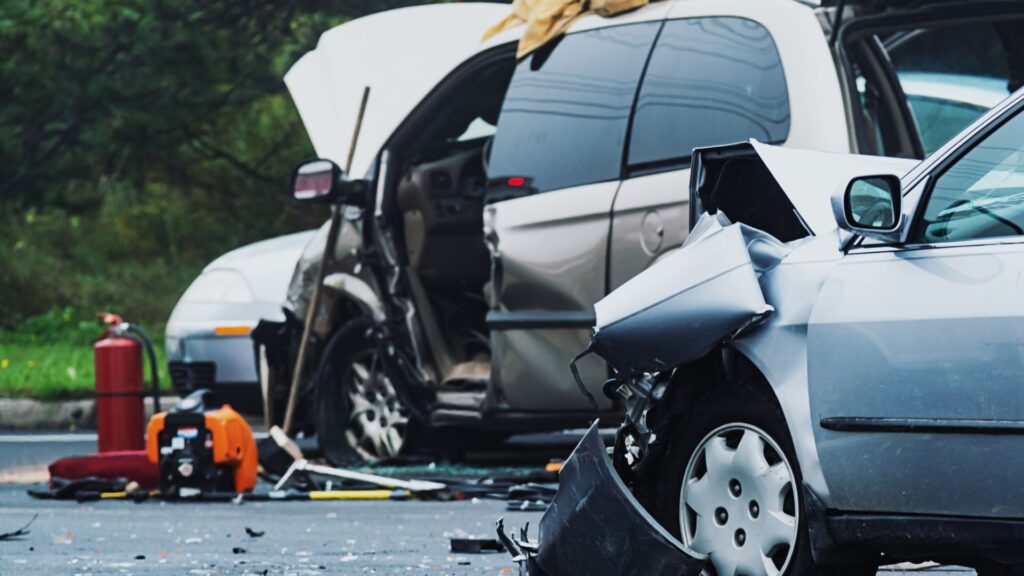
According to KTLA 5, a recent hit-and-run incident in Yucca Valley was not an accident but an intentional act of road rage. Deputies reported that the suspect deliberately used a vehicle to strike another person following a confrontation, then fled the scene without stopping to provide help. Investigators described the incident as a targeted assault, emphasizing that the victim was seriously injured and that the driver’s actions went beyond reckless driving into criminal conduct. Law enforcement continues to investigate the case as a violent felony, highlighting growing concerns about aggressive driving and road rage incidents across the region. The victims involved included a woman and her two toddler children. All three were treated for non-life-threatening injuries.
Road rage assaults and intentional hit-and-run incidents can have devastating and life-altering consequences for victims. Being struck by a vehicle often results in severe injuries such as broken bones, traumatic brain injuries, spinal damage, and internal injuries that require extensive medical treatment and long-term rehabilitation. Beyond the physical harm, victims frequently face emotional trauma, lost income, and overwhelming financial stress caused by medical bills and recovery time. At Azizi Law, we understand how a violent road rage incident can instantly upend your life and leave you searching for answers and accountability. If you or a loved one has been injured in a hit-and-run or intentional vehicle assault in Yucca Valley or greater San Bernardino County, call us today at (800) 991-5292 to discuss your legal options and how we can help protect your rights.
Why Legal Representation Matters After a Yucca Valley Hit-and-Run Crash
At Azizi Law, we know that a Yucca Valley hit-and-run crash can leave victims facing serious injuries, uncertainty, and frustration as they try to understand what happened and who should be held accountable. Hit-and-run cases are often complex because the at-fault driver may initially be unknown, making it harder to gather evidence, identify witnesses, and work with law enforcement to track down the responsible party. We help protect victims’ rights by reviewing accident reports, coordinating with investigators, analyzing available evidence, and exploring all potential avenues for recovery, including insurance coverage options that may apply even when the driver is not immediately identified.
At Azizi Law, we work closely with our clients to document the full scope of their injuries and losses while managing communications with insurance companies that may attempt to minimize or deny claims. We understand that the impact of a hit-and-run extends far beyond the crash itself, often involving extensive medical treatment, time away from work, and emotional distress. By providing knowledgeable guidance and advocacy throughout the legal process, we help ensure victims are not left to navigate these challenges alone and that their interests remain protected as their case moves forward.
Common Causes of a Yucca Valley Hit-and-Run Crash
A Yucca Valley hit-and-run crash can occur under many circumstances, but these incidents often share common underlying causes tied to driver behavior, road conditions, and environmental factors. Yucca Valley’s mix of rural highways, desert roads, and residential streets can increase the risk of serious collisions, particularly when drivers are inattentive or impaired. In hit-and-run cases, the decision to flee is often influenced by fear, recklessness, or an attempt to avoid legal consequences. Understanding the most common causes helps explain why these crashes occur and why they are treated seriously under California law.
Impaired or Distracted Driving
Drivers who are impaired or distracted are among the most likely to flee the scene after a collision. These drivers may already be engaging in illegal or risky behavior at the time of the crash.
Driving Under the Influence of Alcohol or Drugs
Alcohol or drug impairment slows reaction time, affects judgment, and increases the likelihood of causing a crash. After an accident, impaired drivers may flee to avoid arrest, DUI charges, or license suspension.
Cell Phone Use and Inattention
Texting, navigation apps, and other distractions can cause drivers to miss hazards or pedestrians. When a distracted driver causes a crash, panic or fear may lead them to leave the scene rather than stop and take responsibility.
Speeding and Reckless Driving
Excessive speed is a frequent factor in serious collisions and hit-and-run incidents. High speeds increase both the severity of injuries and the likelihood that a driver will lose control.
Unsafe Passing or Aggressive Maneuvers
Drivers who weave through traffic, pass unsafely, or drive aggressively may strike another vehicle or pedestrian and flee to avoid accountability.
Loss of Control on Desert Roads
Open stretches of road can encourage speeding, and sudden turns or uneven surfaces can lead to crashes when drivers are traveling too fast.

Injuries Frequently Caused by a Yucca Valley Hit-and-Run Crash
A Yucca Valley hit-and-run crash often results in severe and life-altering injuries because victims are typically struck without warning and may be left at the scene without immediate assistance. When a driver flees, delays in emergency response and medical care can significantly worsen injuries and increase the risk of long-term or permanent complications. These crashes frequently involve pedestrians, cyclists, or occupants of smaller vehicles who have little physical protection against the force of a moving car. As a result, victims often suffer complex injuries that require extensive medical treatment, rehabilitation, and long recovery periods.
Traumatic Injuries From Vehicle Impact
Traumatic injuries are common in hit-and-run crashes due to the force generated when a vehicle strikes a person or another car. The sudden impact can throw victims onto pavement, into other objects, or against the vehicle itself, causing widespread bodily trauma. These injuries often affect critical areas of the body and may have lasting physical, cognitive, and emotional consequences that disrupt daily life.
Head and Brain Injuries
Head and brain injuries are among the most serious outcomes of a hit-and-run crash and can occur when a victim’s head strikes the ground, a vehicle, or nearby structures. Concussions and traumatic brain injuries may result in symptoms such as headaches, memory loss, confusion, dizziness, mood changes, and difficulty concentrating. In more severe cases, brain injuries can lead to permanent cognitive impairment, personality changes, or the need for long-term medical care and supervision. Symptoms may not always appear immediately, making prompt medical evaluation essential after any head impact.
Spinal and Neck Injuries
The violent motion of a hit-and-run crash can cause significant damage to the neck and spine, especially when victims are thrown or experience sudden twisting forces. These injuries may include herniated discs, nerve compression, whiplash, or spinal cord damage that affects mobility and sensation. In severe cases, spinal injuries can lead to partial or complete paralysis, chronic pain, and long-term physical limitations. Recovery often involves extensive therapy and, in some cases, surgical intervention.
Orthopedic and Internal Injuries
In addition to traumatic head and spinal injuries, many hit-and-run victims suffer orthopedic and internal injuries that require immediate and ongoing medical treatment. These injuries can affect a victim’s ability to walk, work, and perform everyday tasks, often leading to long-term physical challenges.
Broken Bones and Crush Injuries
Broken bones are extremely common in Yucca Valley hit-and-run crashes, particularly when pedestrians or cyclists are struck directly by a vehicle. Fractures to the arms, legs, hips, ribs, or pelvis may require surgery, immobilization, and months of rehabilitation. Crush injuries can occur when a limb is pinned between a vehicle and another object, potentially causing permanent damage, loss of function, or amputation in severe cases. These injuries can significantly impact a victim’s independence and quality of life.
Internal Organ Damage
The force of a vehicle impact can also cause internal injuries that are not immediately visible but may be life-threatening if left untreated. Blunt-force trauma can damage organs such as the liver, spleen, lungs, or kidneys and may result in internal bleeding. Because symptoms can be delayed or subtle at first, internal injuries are particularly dangerous and often require prompt diagnostic testing and emergency care. Long-term complications may arise if internal damage is not identified and treated quickly.
What to Do Immediately After a Yucca Valley Hit-and-Run Crash
The moments following a Yucca Valley hit-and-run crash are critical for protecting both your physical well-being and your legal rights. Because the at-fault driver has fled the scene, victims must take additional steps that would not normally be required in other types of accidents. Acting quickly and thoughtfully can help ensure injuries are treated promptly, evidence is preserved, and law enforcement has the information needed to investigate the crash. Knowing what to do in these early moments can make a significant difference in both recovery and any future legal claim.
Prioritize Safety and Medical Care
Health and personal safety should always be the top priority after a hit-and-run accident. Victims may be disoriented, in pain, or unaware of the full extent of their injuries, making it especially important to focus on immediate medical needs before addressing any legal or logistical concerns.
Seek Emergency Medical Attention
Even if injuries appear minor at first, seeking medical attention right away is essential after a hit-and-run crash. Many serious injuries, including internal bleeding, head trauma, and spinal injuries, may not produce immediate symptoms. Prompt medical evaluation helps identify hidden injuries, ensures proper treatment, and creates medical records that clearly link injuries to the crash. Delaying care can not only worsen health outcomes but may also complicate future insurance or legal claims.
Move to a Safe Location if Possible
If it is safe to do so, moving out of traffic or away from the roadway can help prevent additional injuries. Remaining in a dangerous location after a crash increases the risk of being struck again by passing vehicles. Victims should move to the shoulder, sidewalk, or another secure area while waiting for emergency responders, provided doing so does not aggravate existing injuries.
Document the Scene and Gather Information
Seeing as the responsible driver has fled, documenting the scene becomes especially important in a hit-and-run case. The information gathered immediately after the crash may be critical to identifying the driver and establishing what happened.
Note Vehicle Details and Direction of Travel
Victims or witnesses should try to remember and record as many details as possible about the fleeing vehicle. This may include the vehicle’s color, make, model, type (car, truck, SUV), license plate numbers or partial plates, distinguishing features, and the direction the vehicle traveled after the crash. Even small details can assist law enforcement in locating the driver or vehicle involved.
Speak With Witnesses
Witnesses may have observed details that the victim missed, particularly if the crash happened suddenly or caused confusion. Speaking with witnesses at the scene allows victims to gather names, contact information, and statements that can later support a police investigation or insurance claim. Witness accounts can be especially valuable in hit-and-run cases where physical evidence is limited.
How Law Enforcement Investigates a Yucca Valley Hit-and-Run Crash
Law enforcement plays a critical role in investigating a Yucca Valley hit-and-run crash, particularly when the at-fault driver is not immediately identified. These cases are often more complex than standard traffic accidents because the responsible party has fled, leaving limited information behind. Officers must rely on a combination of physical evidence, witness accounts, and investigative techniques to reconstruct what happened and identify the driver. Successful investigations often require coordination between local deputies, surrounding agencies, and sometimes members of the public who may have relevant information.
Reviewing Evidence and Scene Information
One of the first steps in a hit-and-run investigation involves carefully reviewing the accident scene and any available evidence. Law enforcement officers work to document the location, road conditions, damage patterns, and timing of the crash to understand how it occurred. This information helps investigators establish key details such as the point of impact, the direction of travel, and whether speed or reckless behavior may have been involved. Thorough scene analysis is essential to narrowing down the type of vehicle and circumstances surrounding the crash.
Surveillance and Traffic Camera Footage
Surveillance footage from nearby businesses, homes, or traffic cameras can be one of the most valuable tools in a hit-and-run investigation. Video recordings may capture the fleeing vehicle, license plate numbers, or identifying features such as decals, damage, or direction of travel. Even footage that does not show the actual collision can help trace the vehicle’s movements before or after the crash. Investigators often canvass the surrounding area quickly because many systems overwrite recordings after a short period.
Physical Evidence From the Scene
Physical evidence left behind at the crash site can provide critical clues about the vehicle involved. Debris such as broken headlights, side mirrors, paint transfer, or bumper fragments can help identify the make, model, or year range of the vehicle. Tire marks and skid patterns may indicate speed, braking behavior, or evasive maneuvers. This evidence is carefully collected, photographed, and analyzed to assist in reconstructing the collision and identifying the responsible driver.
Locating and Identifying the Driver
Once evidence is gathered and analyzed, law enforcement shifts focus to locating and identifying the driver who fled the scene. This process may take time, especially if the driver attempts to conceal the vehicle or avoid contact with authorities. Investigators use multiple strategies to track down the responsible party, combining evidence analysis with community outreach and database searches.
Public Tips and Witness Statements
Witness statements and public tips often play a crucial role in identifying hit-and-run drivers. Witnesses may recall vehicle details, driver behavior, or the route the vehicle took after leaving the scene. In some cases, members of the public provide tips after recognizing a damaged vehicle or hearing admissions from the driver. Law enforcement may release limited information to the public to encourage tips while protecting the integrity of the investigation.
Vehicle Damage Reports
Drivers who flee a crash often attempt to repair their vehicle damage afterward, which can draw attention to their involvement. Body shops, repair facilities, or insurance claims may report suspicious damage that matches the evidence from the crash scene. Law enforcement compares damage reports with collected debris and collision details to confirm a match. This method has led to the identification of many hit-and-run drivers who believed they could avoid detection.

How a San Bernardino County Personal Injury Attorney Provides Support
After a serious accident, injured individuals often face physical pain, emotional stress, and financial uncertainty all at once. A San Bernardino County personal injury attorney provides critical support by helping accident victims understand their rights, navigate complex legal procedures, and pursue compensation under California law. From the earliest stages of a claim through resolution, legal guidance helps ensure that important deadlines are met, evidence is preserved, and insurance companies are held accountable. Having an attorney involved can bring structure and clarity during a time when many victims feel overwhelmed and unsure of how to move forward.
Evaluating the Case and Explaining Legal Options
One of the first and most important ways a personal injury attorney provides support is by carefully evaluating the facts of the accident and explaining the legal options available. This process involves reviewing how the incident occurred, what injuries were sustained, and what parties may be involved, all while considering how California personal injury law applies to the situation. Early legal guidance helps accident victims understand whether they have a viable claim, what challenges may arise, and what steps should be taken next. By gaining a clear picture of their legal position early on, injured individuals are better equipped to make informed decisions and avoid missteps that could weaken their case.
Assessing Liability and Fault
An attorney reviews accident details, reports, photographs, witness statements, and other available evidence to determine who may be legally responsible for the injuries. This assessment often requires analyzing whether a party acted negligently, failed to follow safety standards, or breached a duty of care. In California, fault may be shared among multiple parties, and understanding how comparative fault rules apply is essential to evaluating potential compensation. A thorough liability analysis helps identify all responsible parties and ensures that claims are directed appropriately.
Clarifying Rights Under California Law
Personal injury laws can be complex, particularly when accidents involve multiple parties, overlapping insurance policies, or government entities. An attorney helps clarify what rights an injured person has under California law, including the right to pursue compensation for medical expenses, lost income, and pain and suffering. Legal guidance also explains important issues such as time limits for filing claims and how fault may affect recovery. This clarity allows clients to move forward with confidence and realistic expectations.
Investigating the Accident and Gathering Evidence
Building a strong personal injury claim requires a detailed investigation and careful documentation of all relevant facts. A personal injury attorney takes proactive steps to gather evidence that supports how the accident occurred and how it caused the injuries. Because evidence can disappear or degrade over time, prompt investigation is critical. A thorough approach helps establish liability, counter disputes, and strengthen the overall claim.
Collecting Accident Reports and Witness Statements
Police reports, incident reports, and witness statements often provide crucial insight into the circumstances surrounding an accident. These documents can help confirm details such as location, timing, weather conditions, and the actions of those involved. Attorneys ensure these materials are obtained, reviewed carefully, and used effectively to support the injured person’s version of events. Witness accounts can be especially valuable when liability is contested.
Preserving Physical and Digital Evidence
Photographs of the scene, video footage, vehicle damage, medical records, and other physical or digital evidence can play a key role in proving a claim. An attorney takes steps to preserve this evidence before it is altered, overwritten, or destroyed. Proper preservation helps prevent disputes about what conditions existed at the time of the accident and strengthens the credibility of the case.
Communicating With Insurance Companies
Insurance companies are often involved early in personal injury cases, but their primary goal is typically to minimize payouts. A personal injury attorney manages all communications with insurers to protect the injured person’s interests. By serving as the point of contact, an attorney helps reduce stress for the client and ensures that information is shared accurately and strategically.
Handling Insurance Adjuster Interactions
Statements made to insurance adjusters can significantly impact a claim. Legal representation helps ensure that responses are accurate, complete, and not taken out of context. An attorney understands how insurers evaluate claims and works to prevent statements from being used to downplay injuries or shift blame.
Addressing Delays and Disputes
Insurance companies may delay responses, request unnecessary documentation, or dispute liability or damages. When these issues arise, an attorney can push back against unreasonable tactics and work to move the claim forward. This advocacy helps prevent unnecessary delays and protects the injured person’s right to fair consideration.
Calculating and Pursuing Fair Compensation
Accident-related losses often extend far beyond initial medical bills, and accurately calculating damages is a critical part of a personal injury claim. A personal injury attorney evaluates both economic and non-economic losses to pursue compensation that reflects the full impact of the injury. This comprehensive approach helps ensure that victims are not left bearing long-term financial burdens caused by someone else’s negligence.
Medical Expenses and Future Care Needs
Medical damages include emergency treatment, hospital stays, surgeries, medications, rehabilitation, and follow-up care. An attorney also considers anticipated future medical needs, such as ongoing therapy or additional procedures. Properly accounting for current and future medical costs is essential to avoiding unexpected expenses later.
Lost Income and Earning Capacity
If injuries prevent a person from working or limit their ability to earn income in the future, those losses are factored into the claim. This may include missed wages, reduced work hours, or diminished earning capacity due to long-term limitations. An attorney helps document these losses to ensure they are fully considered.
Pain, Suffering, and Non-Economic Damages
Non-economic damages address the personal impact of an injury, including physical pain, emotional distress, and loss of enjoyment of life. These damages recognize that injuries affect more than finances and can significantly alter daily living. Attorneys help present these impacts in a clear and compelling way.
Guiding Clients Through Legal Procedures and Deadlines
Personal injury claims are governed by strict procedural rules and filing deadlines, and missing a requirement can jeopardize a case. A personal injury attorney ensures that all legal procedures are followed correctly and on time. This guidance helps protect the injured person’s right to pursue compensation without unnecessary risk.
Managing Filing Deadlines and Court Requirements
Statutes of limitations and notice requirements vary depending on the type of claim and parties involved. An attorney tracks these deadlines carefully and prepares the necessary filings to keep the case on track. This attention to detail helps prevent costly procedural errors.
Preparing for Litigation if Necessary
If a fair settlement cannot be reached, an attorney prepares the case for litigation. This includes managing discovery, preparing legal arguments, and representing the client in court proceedings. Thorough preparation helps position the case for the strongest possible outcome.
Providing Ongoing Support and Advocacy
Beyond legal tasks, a personal injury attorney provides ongoing support throughout the recovery and claims process. Accidents can be physically and emotionally taxing, and having consistent guidance helps ease uncertainty. Ongoing advocacy ensures that the client’s interests remain the focus from start to finish.
Keeping Clients Informed and Involved
Clear, regular communication helps clients understand what is happening with their case and what to expect next. Staying informed allows injured individuals to feel more confident and engaged throughout the process.
Advocating for Client Interests
An attorney’s role includes advocating for fair treatment and accountability at every stage of the claim. This advocacy ensures that the injured person’s voice is heard and that their rights are protected throughout the legal process.
Contact an Experienced Yucca Valley Hit-and-Run Crash Lawyer Today
At Azizi Law, we represent individuals and families in Yucca Valley who have been injured in hit-and-run crashes caused by reckless or negligent drivers. We understand how overwhelming these incidents can be, especially when the responsible driver flees the scene and leaves victims facing serious injuries, mounting medical expenses, and unanswered questions. Our team takes a thorough and compassionate approach to each case, carefully reviewing the facts, explaining your legal options, and developing a strategy focused on holding the appropriate parties accountable under California law. We’re committed to providing personalized attention and strong advocacy throughout every stage of the claims process because we understand that no two hit-and-run cases are the same.
Our team takes the time to fully understand how a hit-and-run crash has affected your health, finances, and daily life, and we tailor our legal strategy accordingly. We handle the legal complexities involved in these cases, including communicating with insurance companies, evaluating all available coverage options, and pushing back against attempts to delay, deny, or undervalue valid claims. By managing negotiations and legal procedures on your behalf, we allow our clients to focus on healing, recovery, and rebuilding their lives with greater peace of mind. If you or a loved one has been injured in a hit-and-run crash in San Bernardino County, call us at (800) 991-5292 or reach out online to schedule a consultation and learn how we can help you pursue justice, accountability, and the compensation you deserve.